What Is Supply Chain Logistics?
June 16, 2026
Retail Supply Chain and Logistics 2026
June 18, 2026
When a shipment is late, damaged, or handled at the wrong temperature, the problem rarely stays in the warehouse. It hits shelf life, customer trust, reorder timing, and margin. That is why choosing among the best supply chain logistics companies is less about brand recognition and more about who can execute under pressure, day after day.
For businesses moving food, chilled products, frozen goods, or regulated inventory, the stakes are even higher. A provider can look strong on paper and still create expensive issues if they lack route discipline, temperature control, communication, or the right truck capacity. The right partner makes delivery easier to manage. The wrong one gives your team another problem to chase.
What the best supply chain logistics companies actually do well
The best operators are not just moving freight from point A to point B. They are managing timing, cargo condition, documentation, handoff quality, and exception handling at the same time. That matters because most delivery failures do not come from one dramatic mistake. They come from small breakdowns – a late pickup, poor load planning, a missed temperature check, weak communication at the delivery point.
A strong logistics company reduces those risks before they happen. You see it in how they plan routes, how they assign vehicles, how they brief drivers, and how quickly they respond when conditions change. Good logistics is not flashy. It is consistent.
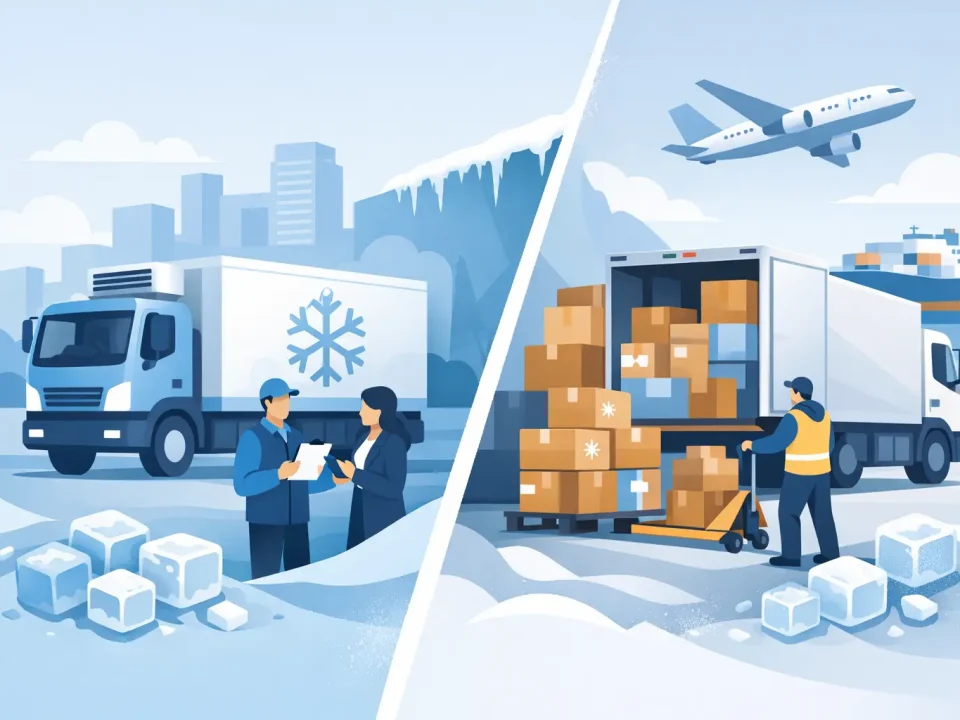
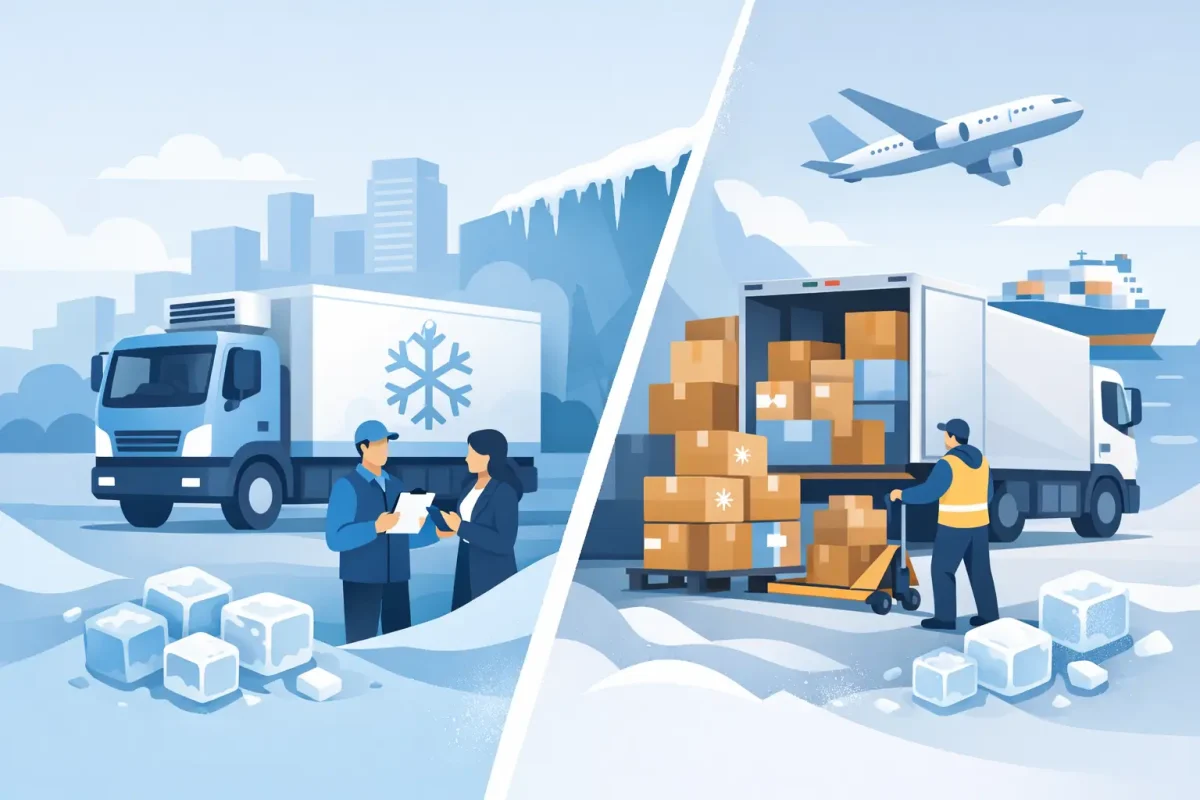
This is especially true in cold chain transport. If your products need frozen, chilled, or controlled ambient conditions, logistics is no longer just transportation. It becomes product protection. The best provider understands that preserving cargo integrity is part of the job, not an extra feature.
How to compare the best supply chain logistics companies
Price matters, but it should not be your first filter. A lower quote can become an expensive decision if it leads to rejected deliveries, spoilage, claims, or stock gaps. The better question is whether a provider can meet your operating requirements without creating extra coordination work for your team.
Start with service fit. Some companies are built for bulk freight, others for parcel volume, and others for specialized movements like food distribution or temperature-controlled loads. If you are shipping frozen goods, a general carrier with limited reefer availability may not be the right answer, even if the rate looks attractive.
Then look at vehicle flexibility. Businesses rarely ship the same load profile every day. You may need a smaller truck for urban runs this week and a larger vehicle for interstate replenishment next week. Providers that offer multiple truck sizes and both chartered and consolidated options are often easier to work with because they can adapt without forcing you into the wrong setup.
Communication is another separating factor. The best supply chain logistics companies keep updates clear and timely. You should not have to chase for pickup confirmation, arrival status, or delivery issues. If a logistics partner is hard to reach before the job starts, that usually does not improve once your cargo is on the road.
Why specialization matters more than scale
Large logistics networks can be useful, especially when you need broad geographic coverage or high shipment volume. But scale alone does not guarantee control. In many cases, a specialized operator will outperform a larger one on sensitive freight because their processes are tighter and their service model is more focused.
For example, food distributors and halal product suppliers often need more than a truck and a driver. They need confidence that the goods will be handled properly, loaded correctly, kept at the required temperature, and delivered on time with minimal confusion. That kind of execution usually comes from companies that treat these requirements as standard, not exceptional.
This is where businesses should be careful not to confuse market size with service quality. A major logistics brand may be strong for general freight, but if your product category has strict handling requirements, the better partner may be the company that is built around those exact conditions.
Best supply chain logistics companies for cold chain needs
If your products are temperature-sensitive, your shortlist should look different from a general shipping list. Cold chain logistics depends on equipment quality, operating discipline, and process consistency. One weak link can compromise the load.
A cold chain provider should be able to explain how they manage pickup timing, temperature suitability, route planning, loading conditions, and delivery coordination. They should also offer practical capacity choices so you are not paying for the wrong truck or trying to fit a load into a service that does not match it.
For many businesses, this comes down to operational simplicity. You need to book quickly, specify the right temperature condition, confirm the route, and trust that the shipment will be managed properly from pickup to drop-off. That is often more valuable than a long list of logistics features your team will never use.
In ASEAN markets, where delivery conditions can vary significantly by route, traffic pattern, and distance, consistency matters even more. Businesses moving frozen, chilled, or ambient goods need partners that understand regional delivery realities and can keep execution straightforward. That is one reason companies like Abang Cold stand out for businesses that want headache-free temperature-controlled transport rather than a one-size-fits-all freight solution.
Red flags to watch before signing with any provider
Some logistics problems are visible early if you know what to look for. Vague service descriptions are one warning sign. If a provider cannot clearly explain how they handle your type of cargo, they may be relying on generic transport processes that do not fit your operation.
Another red flag is limited accountability. If every answer sounds like a disclaimer, expect issues when something goes wrong. Good logistics partners take ownership. They do not pretend delays and handling risks never happen, but they do show how they manage them.
Be careful with providers that offer cold chain service without clear temperature specialization. Not every truck fleet is equipped for frozen, chilled, and ambient delivery at a consistent standard. If product integrity matters, ask direct questions about capability, not just availability.
You should also pay attention to booking friction. A provider that makes quoting and scheduling complicated can slow down your team long before the delivery begins. Ease of booking may seem like a small detail, but in day-to-day operations, it affects response time, planning, and internal workload.
The trade-off between cost and control
Every shipper wants efficiency, but the cheapest model is not always the most reliable one. Consolidated shipping can lower cost, for example, but it may not suit urgent or highly sensitive loads. Chartered transport gives you more control, though usually at a higher rate. Neither option is automatically better. It depends on what you are moving, how quickly it needs to arrive, and how much handling risk you can accept.
That is the real test when evaluating logistics companies. Not whether they promise everything, but whether they can match the service model to your actual business needs. A good provider will help you make that decision clearly instead of pushing a standard package that happens to suit their own operations.
For procurement teams and operations managers, this is where long-term value shows up. Fewer delivery issues, fewer internal escalations, and fewer customer complaints often matter more than small savings on the line-haul rate. Logistics costs should be judged against business impact, not just invoice totals.
What a good logistics partner should feel like
A strong logistics partner should reduce noise in your operation. Your team should know what is booked, when pickup is happening, what vehicle is assigned, and when delivery is expected. If anything changes, you should hear about it early and clearly.
That sense of control matters. Businesses do not just buy transport capacity. They buy reliability, predictability, and less operational stress. The best logistics companies understand that their job is not simply to move goods. It is to help your business keep promises.
If you are comparing providers now, focus less on who sounds biggest and more on who makes your day-to-day operation easier to run. The best choice is usually the company that handles the basics exceptionally well, protects your product properly, and gives you confidence before the truck even arrives.