How to Choose Temperature Controlled Transport Companies
June 9, 2026
Top Cold Storage Logistics Companies to Know
June 11, 2026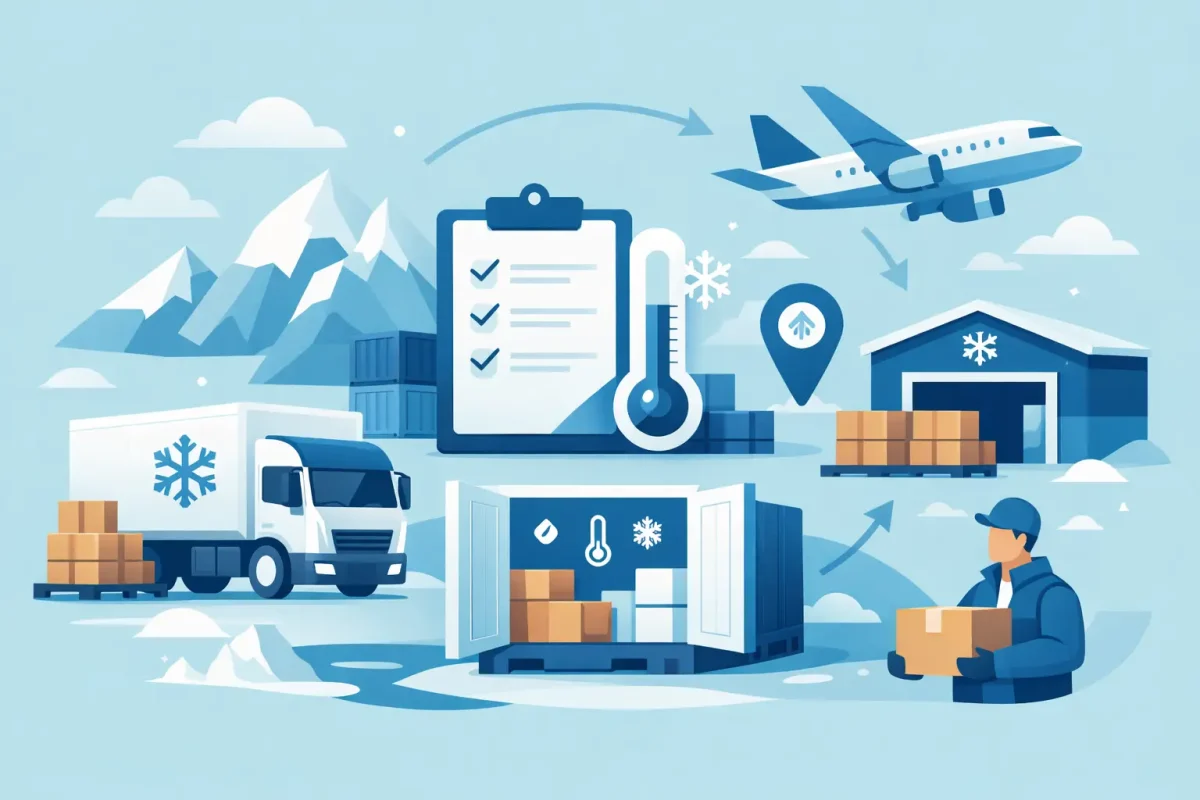
A frozen shipment that arrives partially thawed is not just a delivery issue. It can mean rejected stock, lost margin, damaged customer trust, and a scramble to replace goods on short notice. That is why businesses ask, what is cold chain management, and why does it matter so much once products leave the warehouse.
Cold chain management is the process of keeping temperature-sensitive products within the right conditions from origin to destination. That includes storage, handling, loading, transport, monitoring, and delivery coordination. The goal is simple: protect product quality and safety at every step, without temperature breaks that make goods unusable or non-compliant.
For businesses moving frozen food, chilled products, pharmaceuticals, dairy, seafood, meat, or other sensitive cargo, this is not a nice-to-have. It is part of protecting revenue. If the product depends on temperature, the delivery process has to be controlled just as carefully as the product itself.
What is cold chain management in practical terms?
In practical terms, cold chain management means more than putting goods in a refrigerated truck. It is a full operating system built around consistency. The right vehicle has to be selected, the temperature range has to match the cargo, the loading window has to be controlled, and the route has to reduce delays that put product integrity at risk.
A proper cold chain starts before the truck arrives. Goods need to be packed and staged correctly. The storage environment must already match the required temperature. Handover timing matters because every extra minute during loading or unloading creates exposure. Once the vehicle is moving, temperature control, route execution, and communication all become part of the same job.
This is why cold chain management is usually handled as a coordinated logistics function, not just a transport booking. A truck alone does not solve the problem if the shipment is loaded late, sent on the wrong route, or handled without temperature discipline.
Why cold chain management matters to business operations
The biggest cost of failure is rarely the transport fee. It is the value of the cargo, the operational disruption, and the downstream effect on your customer. One failed chilled delivery can trigger store complaints, production delays, returns, or disposal costs. If the goods are halal-sensitive, high-value, or tightly scheduled, the stakes are even higher.
Strong cold chain management reduces that risk. It helps businesses maintain shelf life, preserve product quality, and meet handling requirements. It also creates predictability. Operations teams can plan inventory better when deliveries arrive on time and in the correct condition.
There is also a compliance side to consider. Some products have strict handling requirements, whether for food safety, internal QA standards, or customer contracts. If temperatures are not maintained consistently, the shipment may still physically arrive, but commercially it has already failed.
The core parts of a cold chain
Cold chain management works because several moving parts are controlled together. Storage is one part, but transport is usually where the most visible risk appears. That is where goods are exposed to traffic, weather, delays, multiple stops, and handling transitions.
Temperature-controlled vehicles are the obvious piece. Frozen cargo may need deep-freeze conditions, while chilled goods require a narrower, less extreme range. Ambient goods can also be part of a managed logistics plan when businesses need mixed-load coordination, but the handling rules still need to be clear.
Packaging matters too. Some products can tolerate brief movement if they are packed well. Others are more fragile and need tighter handling. Loading discipline is another factor. If a truck door stays open too long at pickup or drop-off, internal conditions can shift faster than many teams expect.
Then there is planning. Route design, delivery windows, stop sequencing, and communication with receiving sites all shape whether the cold chain holds. Good planning often prevents temperature problems before they happen.
Storage and staging
Cold chain performance begins where the goods are stored. If the product is not held at the correct temperature before dispatch, the transport provider starts with a disadvantage. Staging should be timed to reduce exposure, especially for frozen and chilled goods waiting to be loaded.
Transport and delivery execution
Once the goods are in transit, execution matters. The right truck size, temperature setting, and delivery schedule all affect results. A small urgent shipment may need a dedicated vehicle for speed, while a larger load may need a different truck class to preserve both efficiency and product condition.
Monitoring and accountability
Monitoring gives businesses confidence that the shipment stayed within the required range. Accountability matters just as much. When everyone is clear on temperature requirements, pickup timing, and delivery conditions, there is less room for costly assumptions.
Common cold chain risks businesses overlook
Many cold chain failures do not come from major equipment breakdowns. They come from ordinary operational gaps. A delayed pickup, poor communication at the loading bay, an unsuitable truck size, or a delivery route with too many stops can all create avoidable exposure.
Another common issue is treating all temperature-sensitive products the same. Frozen, chilled, and controlled-ambient goods have different tolerances. What works for one category may not work for another. Businesses sometimes focus on refrigeration alone and miss the importance of timing, handling, and transfer points.
There is also a tendency to assume that if goods look fine on arrival, the shipment was successful. That is not always true. Some temperature damage affects shelf life, texture, or product performance later, which means the real loss only shows up after delivery.
What good cold chain management looks like
Good cold chain management feels uneventful. Pickup happens when promised. The cargo is matched to the right vehicle. The route is planned sensibly. Delivery arrives in the right condition, and your team does not spend the day chasing updates or managing exceptions.
That kind of result depends on a few things going right together. The logistics partner needs to understand the cargo category, not just the address. They need the operational discipline to manage temperature-sensitive loads without shortcuts. And they need to communicate clearly when schedules, site access, or delivery windows create risk.
For businesses shipping across busy urban routes or interstate lanes in ASEAN markets, this matters even more. Traffic patterns, border timing, and delivery density can all affect temperature-sensitive cargo. Experience in real operating conditions counts.
Choosing a cold chain partner
If you are selecting a transport provider, the first question is not just whether they have refrigerated trucks. It is whether they can manage the shipment in a way that protects product integrity from pickup to drop-off.
Ask how they handle different temperature bands, what truck sizes are available, and whether they support both chartered and consolidated delivery depending on your load profile. Look at how they plan routes, manage timing, and reduce handling risk. If your cargo has halal handling requirements or customer-specific conditions, that should be treated as an operational requirement, not a side note.
The best partner is usually the one that makes the process simpler for your team. That means clear booking, realistic scheduling, dependable execution, and ownership when details matter. Abang Cold is built around that kind of practical support for businesses that cannot afford delivery uncertainty.
What is cold chain management really about?
At its core, cold chain management is about control. Not control for its own sake, but control that protects quality, timing, and commercial outcomes. When the cold chain is managed properly, products arrive usable, standards are maintained, and your team can focus on the business instead of fixing delivery problems.
For any company moving temperature-sensitive goods, that is the real value. The cold chain is not just about keeping things cold. It is about keeping your operations steady when the product gives you very little room for error.
If your goods depend on temperature, your logistics plan should be built around that reality from the start. The right cold chain setup does more than move cargo. It removes uncertainty where your business can least afford it.