Hello world!
February 21, 2022
Cold Chain Logistics Process Explained
June 8, 2026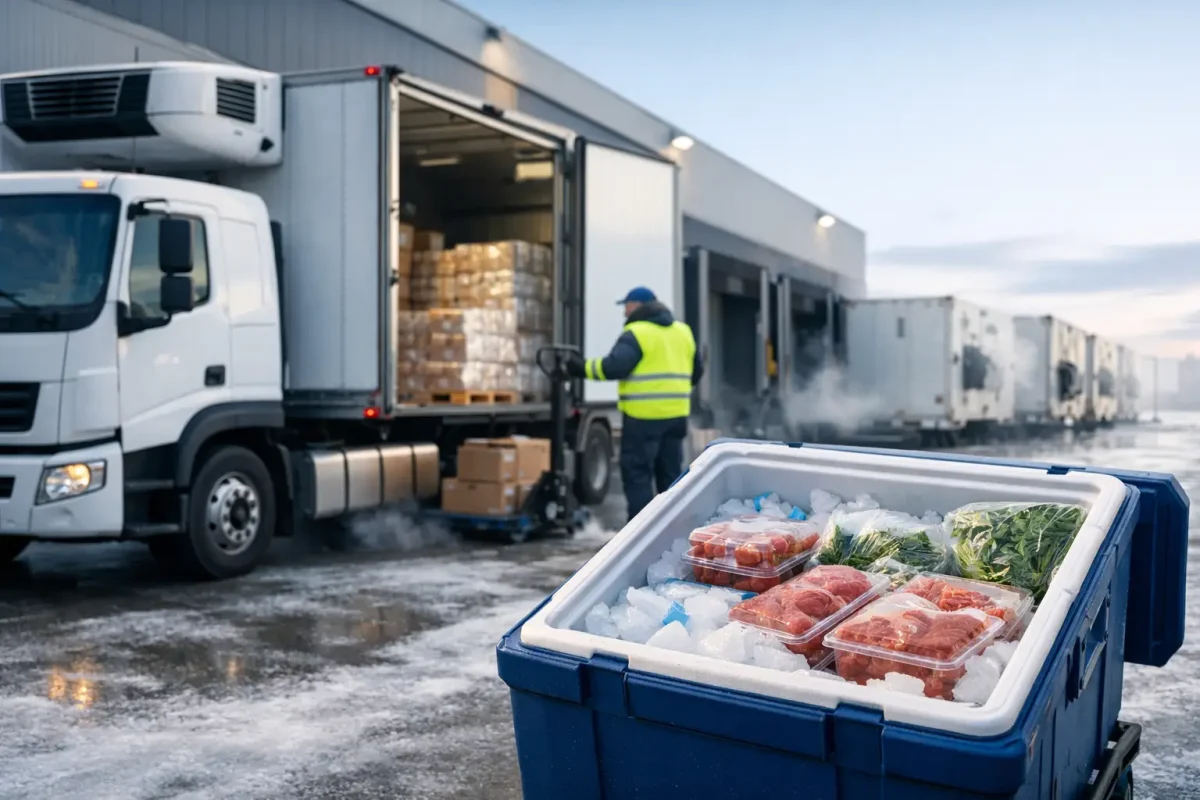
A chilled truck arrives 45 minutes late, the cargo doors stay open too long at loading, and nobody can confirm the actual temperature during transit. For a business moving frozen food, dairy, produce, or halal products, that is not a small delay. That is rejected stock, lost revenue, and a customer asking hard questions. If you are asking what is cold chain logistics, the short answer is this: it is the system that keeps temperature-sensitive goods within the right condition from pickup to delivery.
Cold chain logistics is not just “using a refrigerated truck.” It is the planning, handling, equipment, timing, and coordination required to protect products that can spoil, degrade, or fall out of compliance when temperature control fails. For businesses, that matters because once product integrity is lost, it usually cannot be fixed later.
What is cold chain logistics in practical terms?
In practical business terms, cold chain logistics means moving goods through a controlled environment without breaking the required temperature range. That can include frozen, chilled, or even ambient goods that still need careful handling and reliable transport timing.
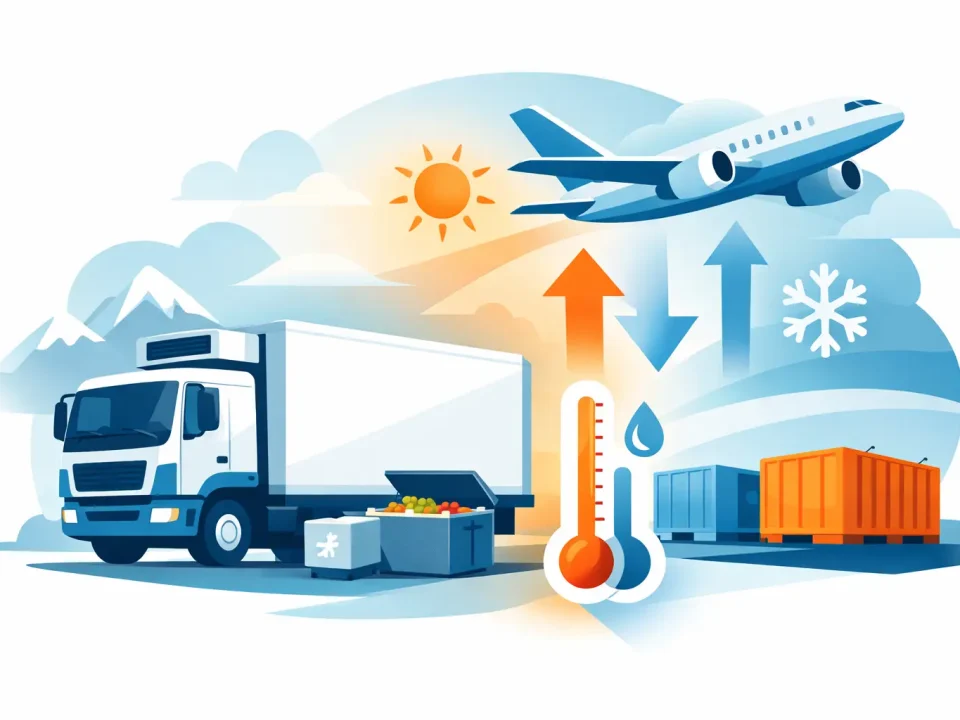
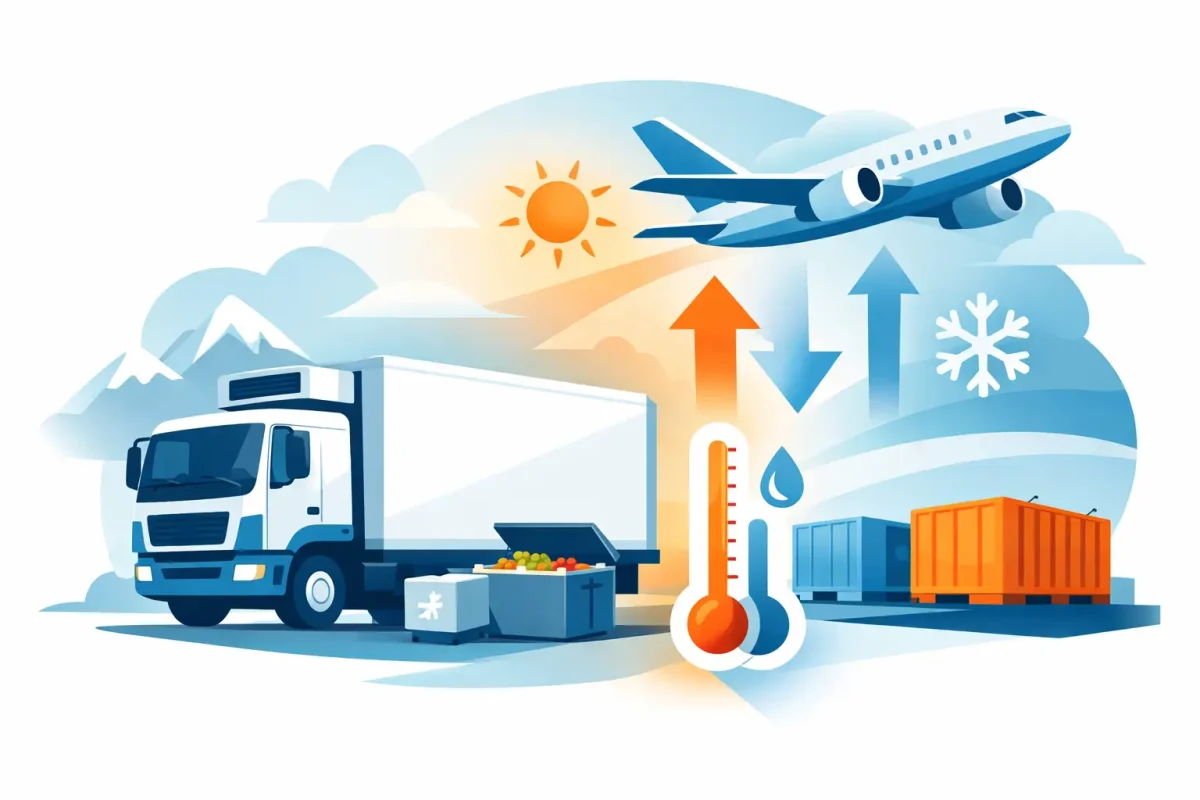
The “chain” part is what many people overlook. The truck is only one link. The full chain includes pickup scheduling, pre-cooled vehicles, loading speed, correct storage conditions, route planning, temperature monitoring, delivery coordination, and proof that the shipment stayed within the required range. If one link fails, the whole shipment can be at risk.
That is why cold chain work is operational, not cosmetic. A truck with a cooling unit is not enough if dispatch is loose, loading is delayed, or the route creates unnecessary stops. Good cold chain logistics reduces exposure at every stage.
Why businesses rely on cold chain logistics
For most companies, the main issue is not theory. It is risk. Food distributors need product to arrive saleable. Retailers need consistent stock quality. Manufacturers need fewer claims and fewer returns. Halal suppliers also need confidence that handling is controlled and aligned with requirements, not improvised on the day of delivery.
Cold chain logistics helps protect four things at once: product quality, compliance, delivery reliability, and customer trust. If frozen goods thaw, chilled items warm up, or goods arrive late and compromised, the loss spreads quickly. You do not just lose one shipment. You can lose shelf life, invoices, retail relationships, and future orders.
There is also a planning benefit. When transport is dependable, operations teams can forecast better, schedule receiving teams more accurately, and avoid over-ordering as a buffer against delivery problems. That reduction in uncertainty is often just as valuable as the transport itself.
How the cold chain actually works
A proper cold chain starts before the vehicle moves. The shipment must be matched to the right temperature category, the right truck size, and the right delivery schedule. Frozen products need a different operating setup than chilled goods. Mixed loads may need tighter planning, and some products should not be grouped together at all.
Next comes vehicle readiness. The truck should be appropriate for the cargo volume and temperature requirement, and in many cases pre-cooling matters. If goods are loaded into a vehicle that has not stabilized at the required range, the trip begins with avoidable temperature stress.
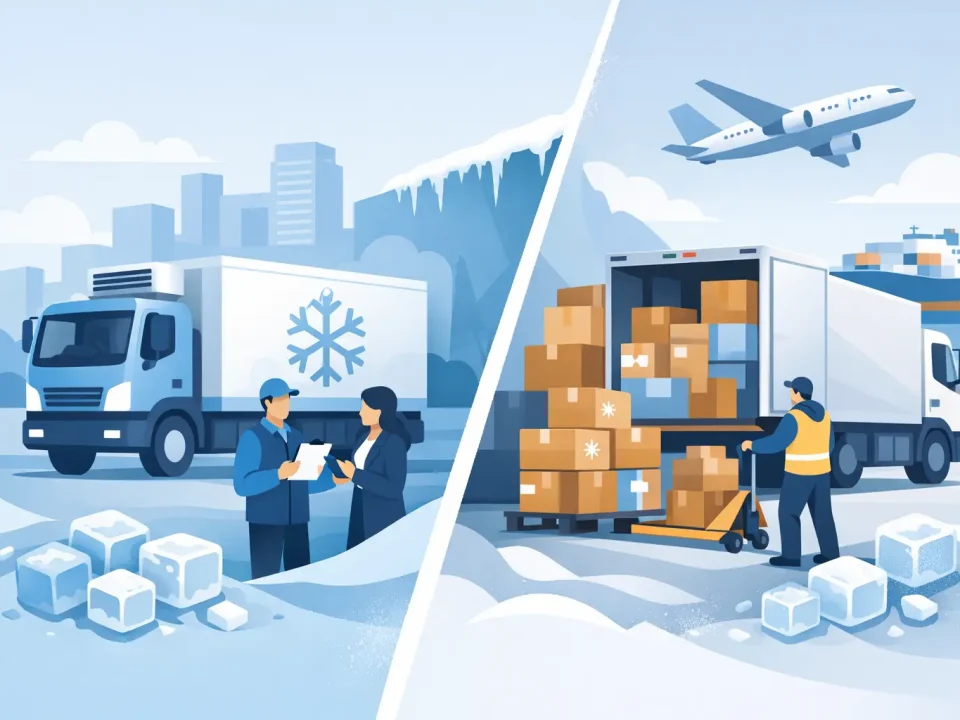
Loading is another pressure point. Fast, organized loading limits warm air exposure and reduces the time cargo spends outside controlled conditions. Then comes transit itself, where route planning and time management matter more than many businesses expect. A longer route, traffic-heavy path, or multiple unplanned stops can turn a simple job into a product-risk issue.
Finally, delivery has to be coordinated so goods are received promptly and handled correctly on arrival. Even if transport is perfect, a poor handoff can still break the chain.
What products usually need cold chain logistics?
The obvious examples are frozen food, chilled meat, seafood, dairy, produce, and desserts. But the category is broader than many buyers first assume. Sauces, bakery items, ready-to-eat meals, beverages, ingredients, and some regulated consumer goods may also need controlled conditions during transport.
The temperature requirement depends on the product, the transit time, and the tolerance for fluctuation. Some cargo must stay deeply frozen. Some only needs chilled transport. Some ambient goods still need careful scheduling and protected handling because heat exposure, delivery delays, or contamination risks can damage the shipment.
This is where businesses need a transport partner that asks the right operational questions early. The wrong truck, wrong load mix, or wrong route can create a problem before pickup even happens.
Cold chain logistics is more than temperature
Temperature control is the center of the job, but it is not the whole job. Reliable cold chain logistics also depends on punctual pickup, suitable truck capacity, disciplined handling, and clear delivery coordination.
That matters because many shipment failures do not come from dramatic equipment breakdowns. They come from smaller avoidable issues: late dispatch, inefficient routing, long waiting times at docks, overloaded schedules, or poor communication between shipper, driver, and receiver.
For business customers, this is where service quality shows up. A dependable provider does not simply supply a vehicle. They take ownership of execution. They make sure the load type, capacity, temperature setting, and route all support the delivery outcome you need.
Common cold chain risks and where things go wrong
Most cold chain failures happen in transition moments. Loading and unloading are common weak points because products are exposed while moving between facilities and vehicles. Delays at pickup can also create knock-on problems, especially for multi-stop routes or time-sensitive retail windows.
Another common issue is mismatched equipment. A truck that is too small can create airflow and loading problems. A truck that is too large may be inefficient for the load or harder to manage economically. Consolidated deliveries can be cost-effective, but only when planned carefully around compatible cargo and timing.
Communication gaps cause problems too. If the transport team does not have accurate pickup details, temperature requirements, handling notes, or receiving instructions, the risk rises immediately. Cold chain logistics works best when the operational brief is clear before the truck rolls out.
Choosing the right cold chain setup for your business
There is no single perfect setup for every shipment. It depends on product type, delivery urgency, volume, route distance, and whether you need a dedicated truck or can work with a shared load.
If you move large quantities on tight timelines, chartered delivery may make more sense because it gives you more control over routing and timing. If you have smaller loads and more flexibility, consolidated delivery can reduce cost. The trade-off is that consolidation demands stronger coordination to protect timing and product conditions.
Truck size matters as well. A 1-ton delivery vehicle may work well for smaller urban drops, while larger loads may need 3-ton, 5-ton, or full 40-foot transport options. The best choice is the one that fits the shipment without forcing compromises on handling or schedule.
This is also where specialist providers stand apart from general transport operators. A company focused on temperature-sensitive deliveries understands that transport decisions are product decisions. That is a practical advantage, not just a branding claim.
What good cold chain logistics should feel like
For the customer, good cold chain logistics should feel controlled, clear, and uneventful. Booking should be straightforward. Pickup should happen when scheduled. The cargo should travel under the right conditions. Delivery should arrive without drama.
That may sound simple, but in logistics, simple usually means well managed. The best providers reduce the number of moving parts you need to chase. They help you choose the right vehicle, confirm the handling requirements, plan the route properly, and execute without creating extra work for your operations team.
That is why many businesses prefer working with a specialist such as Abang Cold when the shipment cannot be left to guesswork. The value is not just cold transport. It is peace of mind that the transport has been planned around the product.
What is cold chain logistics really buying you?
At its core, cold chain logistics buys control over avoidable loss. It protects product value while reducing the operational stress that comes with temperature-sensitive delivery.
For some businesses, that means fewer spoilage claims. For others, it means keeping retail commitments, protecting halal goods handling, or making sure customers receive stock in the right condition the first time. The exact benefit depends on what you ship, how often you ship it, and what failure would cost you.
If your products are sensitive to temperature, timing, or handling, cold chain logistics is not an added extra. It is part of the product itself by the time it reaches the customer. Choose a delivery setup that treats it that way, and the rest of your operation gets a lot easier.