Best Supply Chain Logistics Companies
June 17, 2026
Supply Chain Logistics Events 2026 to Watch
June 19, 2026
A late truck used to be a scheduling problem. In 2026, it is a stockout, a waste issue, a customer complaint, and sometimes a compliance risk all at once. That is why retail supply chain and logistics 2026 is no longer just about moving goods cheaply. For retailers handling frozen, chilled, ambient, or regulated products, the real priority is protecting availability and product condition without adding operational strain.
The businesses that perform well next year will not be the ones with the most complicated systems. They will be the ones that make better decisions on transport capacity, delivery timing, product handling, and exception management. In practical terms, that means fewer assumptions, tighter coordination, and logistics partners who can execute without drama.
What retail supply chain and logistics 2026 really looks like
Retail planning for 2026 is being shaped by a simple reality. Demand remains uneven, delivery windows are tighter, and margin for error is thinner. Retailers are expected to keep shelves filled, support promotions, manage returns, and maintain product quality, even when volumes change week to week.
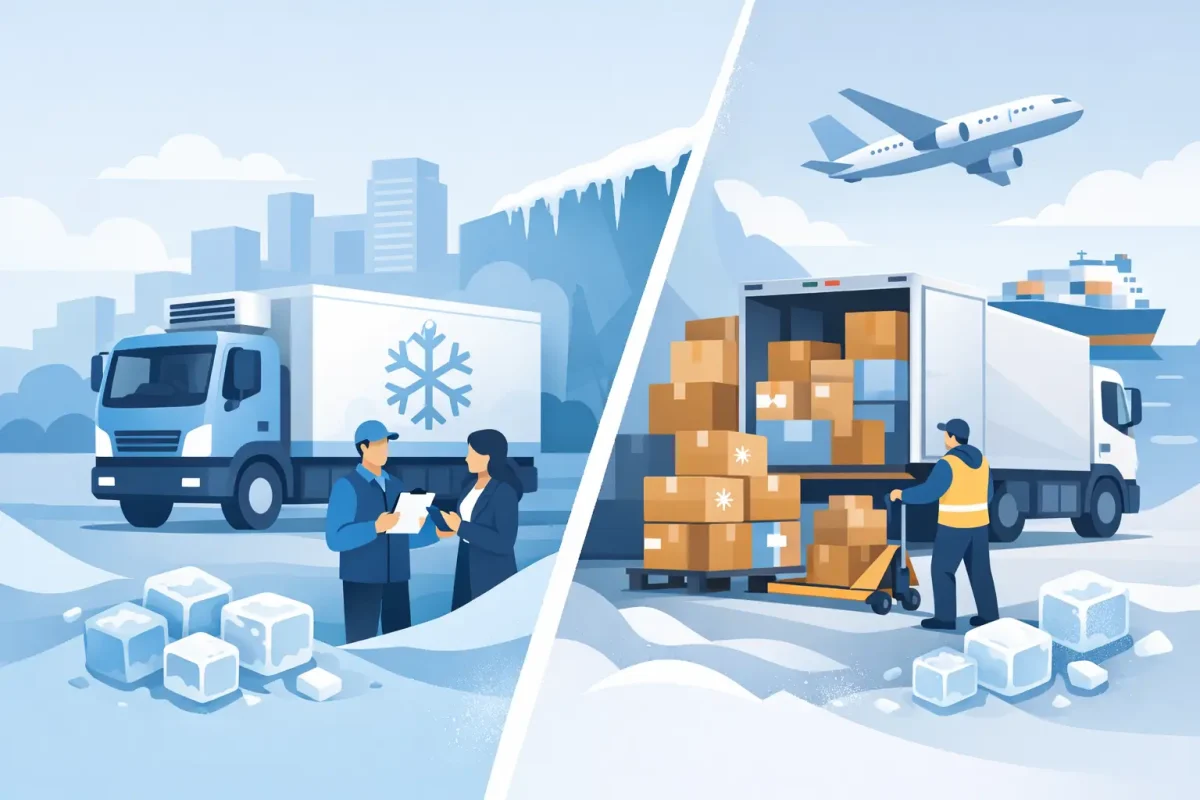
For temperature-sensitive categories, the pressure is even higher. A pallet of frozen food, dairy, ready-to-eat items, or halal products cannot be treated like standard dry cargo. Transit time, truck condition, loading discipline, and route planning directly affect sellability. If any part of the movement is poorly handled, the issue may not show up at pickup. It shows up later, when products arrive warm, packaging is compromised, or store teams reject the shipment.
That is the shift defining retail supply chain and logistics 2026. Transport is no longer a back-end task. It is a direct factor in inventory performance, waste control, customer trust, and store execution.
The pressure points retailers cannot ignore
Retailers are dealing with a more fragmented operating environment than they were a few years ago. Orders are smaller in some channels and more frequent in others. Promotional demand can spike quickly. Store networks expect precision. Buyers want flexibility, but operations teams still need consistency.
This creates tension between cost efficiency and service reliability. Consolidated delivery may reduce cost per trip, but it can introduce complexity if routes are poorly sequenced or mixed cargo is handled carelessly. Chartered transport offers more control, but not every load justifies a dedicated truck. The right answer depends on product sensitivity, delivery urgency, and the cost of failure.
For cold chain goods, the cost of failure is usually higher than the transport saving. One missed temperature range, one delayed unload, or one poorly planned multi-drop route can erase the margin on the shipment. That is why retailers are becoming more selective about who handles their delivery network, especially across mixed store formats and regional routes.
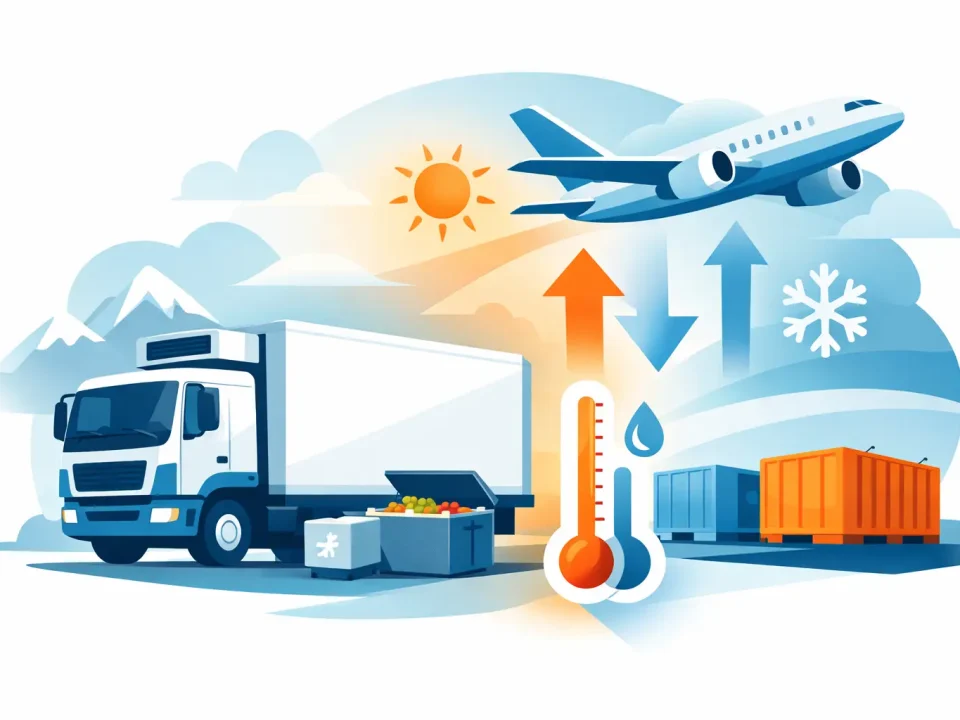
Cold chain is becoming a retail issue, not just a transport issue
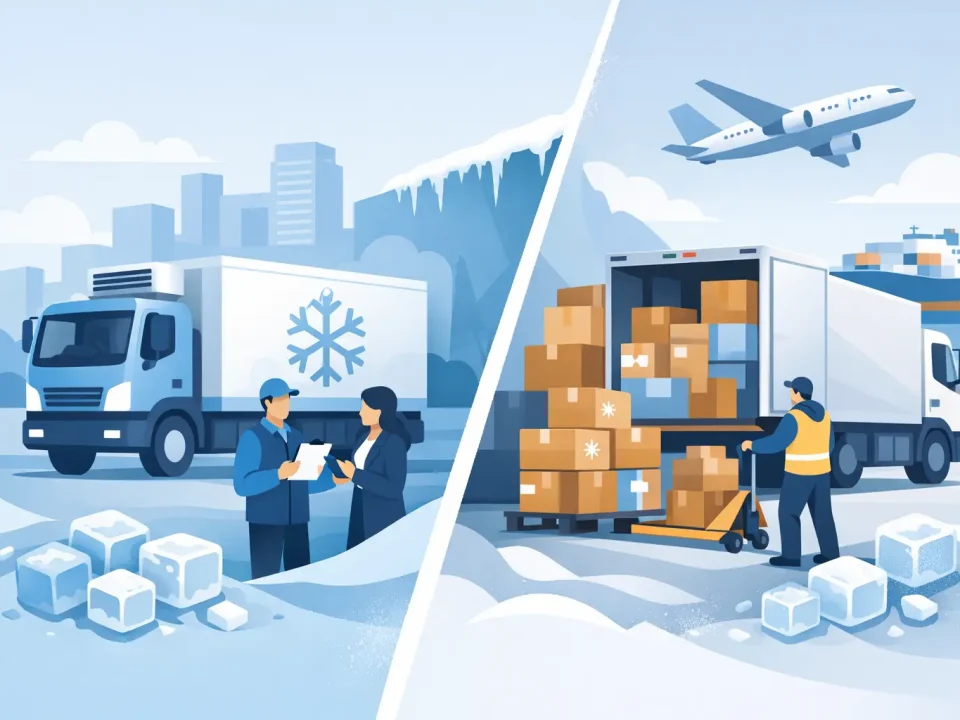
A lot of retail teams still treat refrigerated delivery as a specialist add-on rather than a core planning consideration. That approach is becoming expensive. Cold chain performance affects replenishment accuracy, shelf life, markdown risk, and the ability to run promotions confidently.
In retail supply chain and logistics 2026, cold chain discipline starts earlier than dispatch. It starts with matching the load to the right vehicle size, setting realistic delivery windows, and separating products that require different handling conditions. It also means understanding when a shared load is appropriate and when dedicated transport is the safer commercial decision.
This matters across ASEAN markets where route conditions, border timing, urban congestion, and store access constraints can vary significantly. A plan that looks efficient on paper can fail in execution if it ignores unloading times, temperature recovery between stops, or the practical reality of retail receiving schedules.
The retailers that reduce headaches are the ones that build transport decisions around product risk, not just freight rate.
Flexibility matters, but control matters more
Retail teams often ask for flexibility because demand is hard to predict. That makes sense. But flexibility without control creates more disruption, not less. If transport capacity is available but vehicle type, temperature setting, and route logic are wrong, the shipment is still at risk.
The better approach is structured flexibility. That means having access to different truck sizes, support for both chartered and consolidated moves, and a booking process that does not slow the operation down. It also means working with a partner that can advise when to scale up, when to combine loads, and when to keep sensitive goods separated.
For example, a retailer moving chilled products to multiple outlets may not need the same setup every day. A small replenishment run might suit a lighter vehicle. A promotional push or intercity transfer may require larger capacity and tighter scheduling. The goal is not to standardize every shipment. The goal is to make each shipment predictable.
Why execution is beating optimization
Retailers have spent years hearing about optimization. Better forecasting, smarter routing, more visibility, lower cost per case. Those things matter, but they do not replace execution. In 2026, operations teams will care less about promises and more about whether pickups happen on time, products stay protected, and delivery issues are communicated early.
This is especially true for teams managing sensitive inventory. A transport provider that responds quickly, plans routes properly, and understands handling requirements can remove more risk than a platform full of dashboards that still leaves the store waiting.
That does not mean technology is unimportant. It means technology only helps when the operating model is sound. A well-coordinated truck movement with the right temperature control, realistic transit timing, and accountable handoff is worth more than a complicated system attached to poor field execution.
Where retailers should tighten their 2026 logistics model
The biggest gains usually come from fixing a few operational weak points rather than redesigning the entire network. One is load planning. Many delivery problems begin when businesses book the wrong capacity or combine products that should not travel together. Another is timing. Pickup times often look reasonable until traffic, loading delays, or multi-stop sequencing compress the delivery window.
The third is communication. When something changes, retail teams need clarity fast. Not a vague update, and not silence. Delays, reroutes, or receiving issues become manageable when they are communicated early enough to adjust labor, store expectations, or inventory allocation.
The fourth is handling discipline. This is critical for frozen, chilled, and halal goods. Product integrity depends on more than refrigeration alone. It also depends on how goods are staged, loaded, separated, and transferred. Retailers that tighten these areas usually see fewer rejections, less spoilage, and fewer emergency fixes.
Choosing logistics partners in retail supply chain and logistics 2026
The wrong logistics partner creates extra management work. The right one reduces it. That sounds obvious, but many retailer-carrier relationships still revolve around rate first and operational fit second.
In 2026, that order should be reversed for any product category where timing or condition matters. Retailers should look for partners that can handle temperature-controlled cargo confidently, offer practical vehicle options, and support both routine movements and urgent adjustments. Just as important, they should be easy to work with. Fast booking, clear coordination, and ownership of execution save real time for operations teams.
This is where specialist providers stand out. A company such as Abang Cold is not trying to be everything to everyone. The value is straightforward – protect the cargo, arrive on time, and make the process easier for the customer. For businesses moving frozen, chilled, ambient, or halal goods, that focus can matter more than broad but inconsistent logistics coverage.
What smarter retailers will do next
The smartest retail operators are not waiting for perfect certainty. They are building delivery models that can handle variation without compromising product quality. They are reviewing where stockouts actually begin, where waste is introduced, and where transport decisions create avoidable risk.
Sometimes the answer will be a consolidated run with careful planning. Sometimes it will be a dedicated truck because the shipment is too sensitive or too important to share space. Sometimes it will mean changing pickup times, adjusting route structure, or using a different vehicle class for the same lane.
What matters is not having the most advanced sounding strategy. It is having a transport setup that works under real operating pressure. Retail supply chain and logistics 2026 will reward businesses that treat delivery execution as a commercial advantage, not a last-minute procurement task.
If your products depend on timing, temperature, and careful handling, the safest plan for 2026 is also the simplest one: remove uncertainty before the truck leaves the dock.