Why Supply Chain Management Is Important
June 15, 2026
Best Supply Chain Logistics Companies
June 17, 2026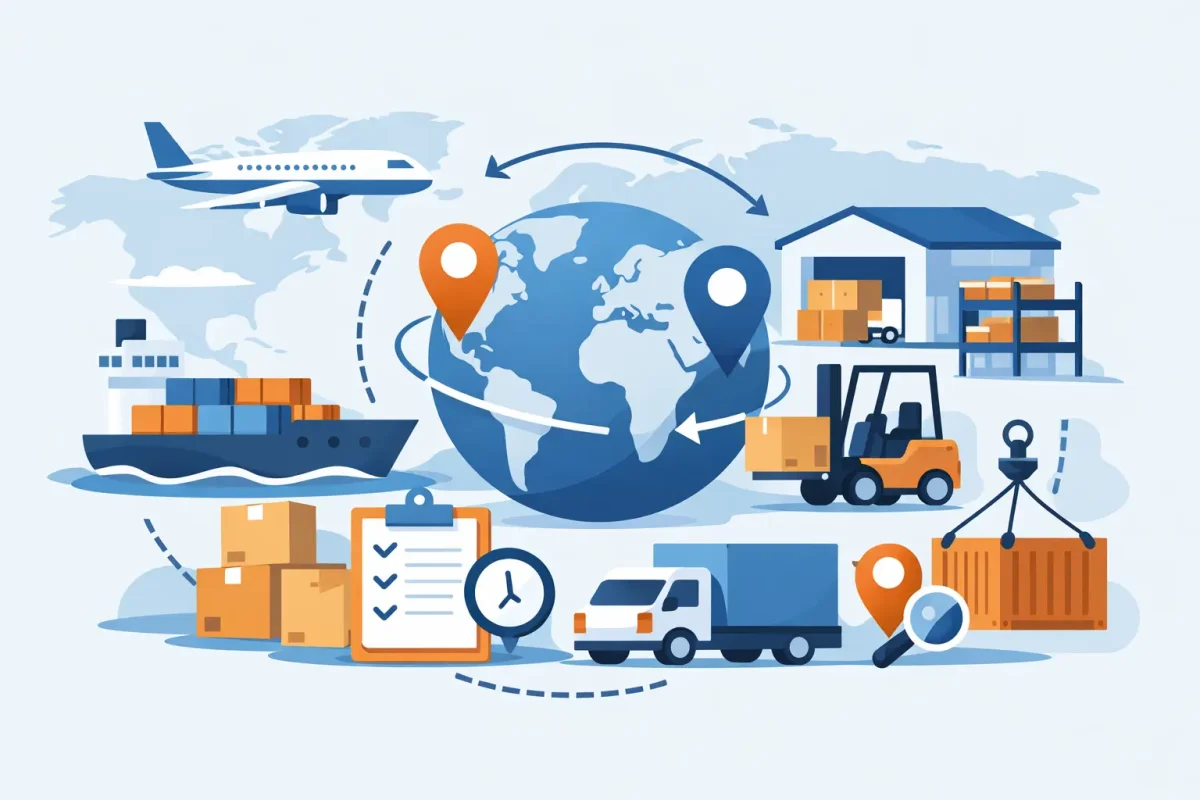
A late truck does not just create a delay on paper. It can leave store shelves empty, force production to stop, or ruin a shipment of chilled goods before it reaches the customer. That is why businesses asking what is supply chain logistics are usually not looking for a textbook definition. They want to know how products actually move, where things go wrong, and how to keep deliveries under control.
What is supply chain logistics?
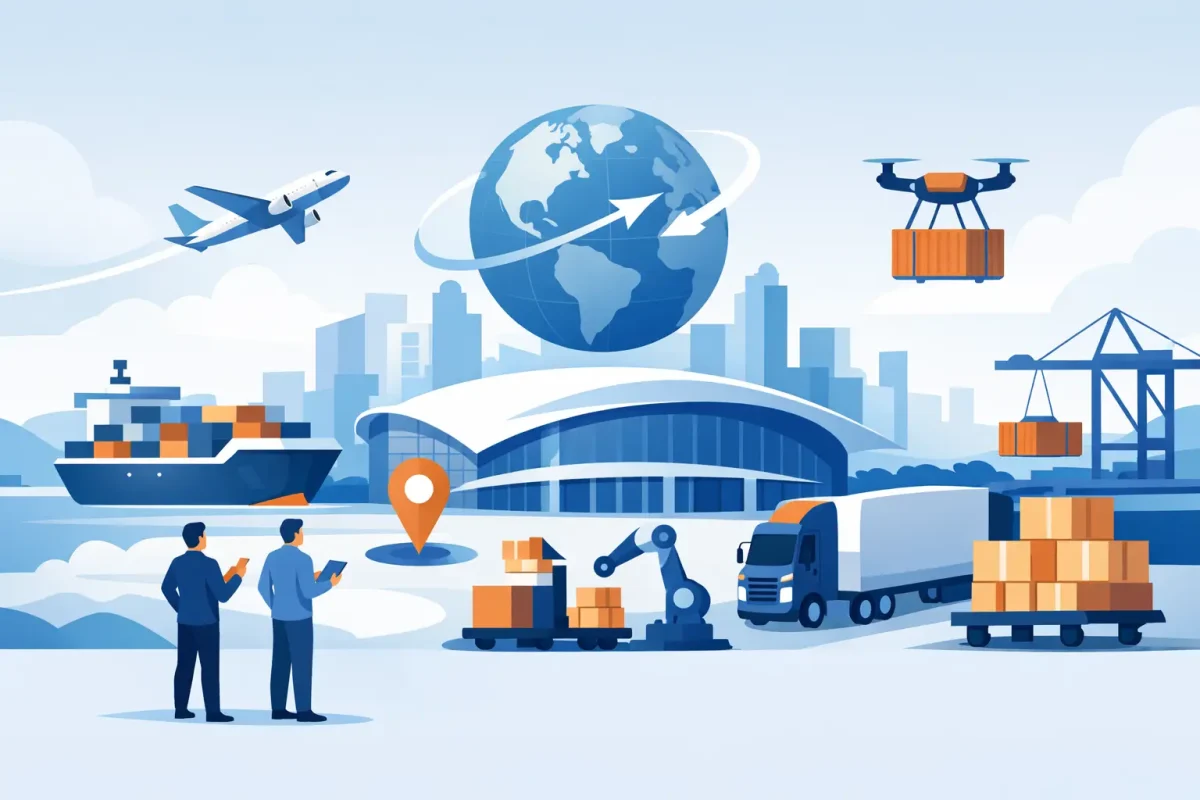
Supply chain logistics is the planning, movement, storage, and coordination of goods from the point of origin to the final destination. It covers how products are picked up, transported, stored, tracked, and delivered in a way that supports the wider supply chain.
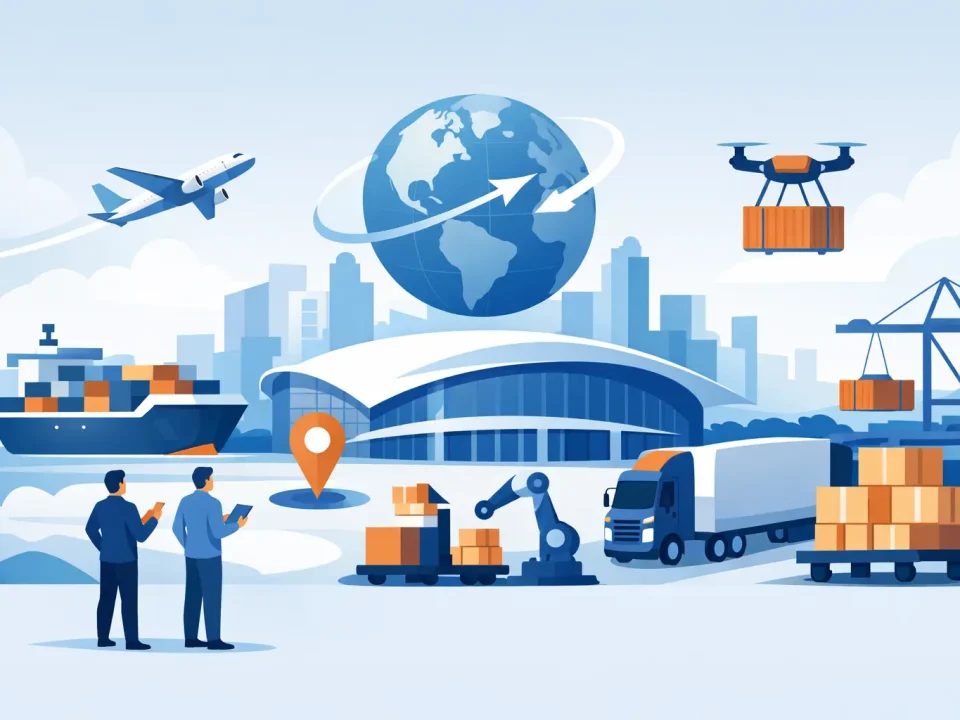
The broader supply chain includes sourcing raw materials, manufacturing, inventory management, distribution, and final delivery. Logistics is the execution part that keeps those pieces moving. If the supply chain is the full business system behind a product, logistics is the operational work that gets the product where it needs to go, in the right condition, at the right time.
For many businesses, that distinction matters. A supplier may produce quality goods and a sales team may generate strong demand, but if transport fails, the customer still experiences the business as unreliable. Logistics is often where revenue is protected or lost.
Why logistics sits at the center of the supply chain
Supply chain decisions only work when the physical movement of goods can support them. A business might forecast demand accurately and purchase stock at the right price, but those gains disappear fast if goods arrive late, damaged, or at the wrong temperature.
This is why logistics is not just about moving boxes from one place to another. It connects inventory, service levels, customer expectations, compliance, and cost. It also affects how much buffer stock a company needs to carry. When logistics is dependable, businesses can plan more confidently. When it is inconsistent, they often compensate by overstocking, rushing orders, or dealing with avoidable customer complaints.
For temperature-sensitive goods, the stakes are even higher. Frozen food, chilled products, pharmaceuticals, and halal goods may require controlled handling, documented processes, and specific vehicle conditions. In those cases, logistics is not only a transport function. It is a quality-control function too.
The core parts of supply chain logistics
At an operational level, supply chain logistics usually includes transportation, warehousing, inventory coordination, route planning, order fulfillment, and delivery management. Some companies manage all of this in-house. Others outsource part or all of it to a logistics partner.
Transportation is the most visible part. It includes selecting vehicle type, planning routes, scheduling pickups, consolidating loads, and managing delivery windows. A business shipping mixed cargo has different needs from one moving frozen goods on a strict timeline. The right transport setup depends on cargo type, shipment volume, delivery urgency, and handling requirements.
Warehousing supports logistics by holding goods before dispatch or between stages of movement. That can be simple storage, or it can involve sorting, staging, cross-docking, and temperature-controlled holding. Not every shipment needs warehousing, but when stock must be positioned close to customers or grouped for distribution, it becomes important.
Inventory coordination matters because transport cannot be planned properly if stock information is inaccurate. If a warehouse says goods are ready and they are not, trucks wait, schedules slip, and costs rise. This is one reason strong logistics depends on clear communication between procurement, warehousing, sales, and transport teams.
Order fulfillment brings those pieces together. It covers receiving the order, preparing the shipment, assigning the right vehicle, confirming handling requirements, and completing delivery. In practical terms, it is where customer expectations meet daily operations.
What changes when the goods are temperature-sensitive
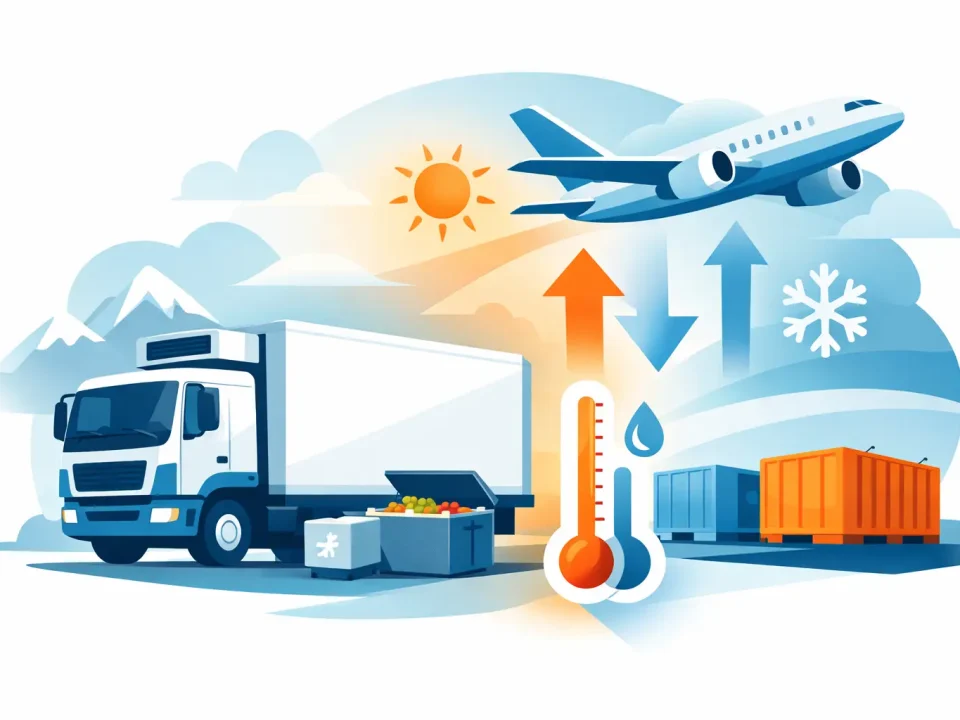
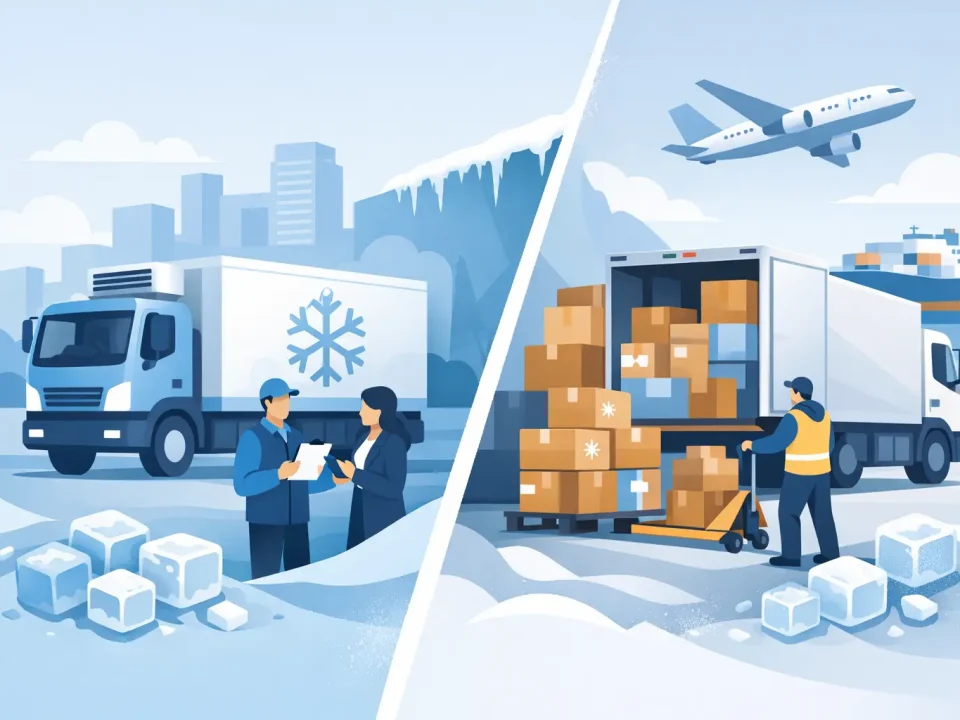
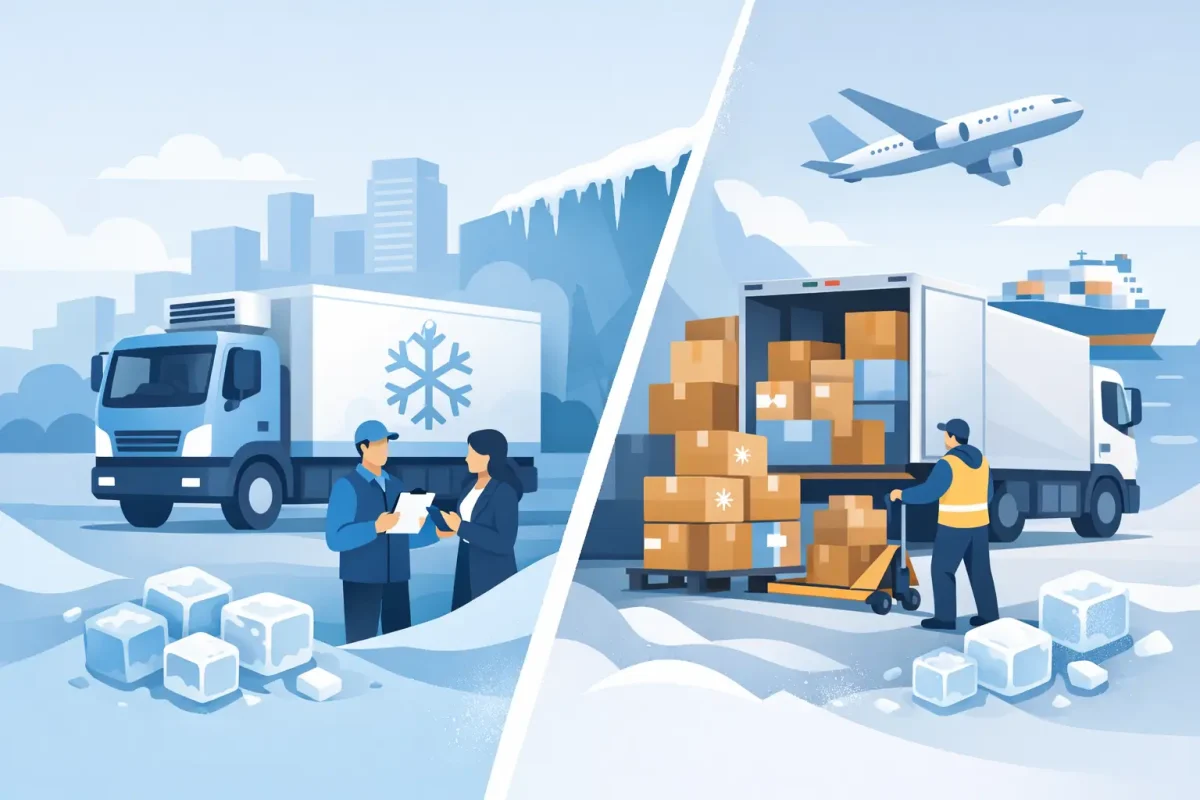
Cold chain logistics is a specialized part of supply chain logistics. The goal is not just to move products. It is to maintain a required temperature range throughout the journey so the product stays safe, usable, and compliant.
That changes the job significantly. A standard delivery may only need a vehicle and a route. A cold chain delivery needs the correct truck type, temperature settings, loading discipline, timing control, and monitoring. Even small delays can matter if the cargo is frozen or chilled. Doors opening too often, poor loading practices, or long idle times at pickup can all affect product integrity.
This is where many businesses underestimate the difference between general transport and cold chain transport. A truck is not automatically a cold chain solution just because it has refrigeration. The service must be planned around the product. That includes the right vehicle capacity, realistic transit timing, proper handling at loading and unloading, and accountability if conditions change on the road.
For halal goods, there may also be handling expectations that go beyond temperature. Segregation, cleanliness, and process control may be part of protecting product trust. In those cases, the logistics provider is part of brand protection, not just delivery execution.
Common supply chain logistics problems
Most logistics problems are not dramatic. They are operational gaps that repeat until they become expensive.
One common issue is poor coordination between teams. Sales promises a delivery date before transport capacity is confirmed. Procurement changes inbound timing without updating the warehouse. A driver arrives, but the goods are not ready. Each problem looks small on its own, but together they create missed deliveries and unnecessary pressure.
Another issue is using the wrong transport setup. A business may book a truck that is too large, too small, or not suited to the cargo condition. That can increase cost, reduce efficiency, or put the shipment at risk. Consolidated delivery may save money for some loads, while chartered delivery may be the better choice for urgent, sensitive, or high-value goods. It depends on the shipment and the level of control required.
Visibility is another weak point. If no one knows where the truck is, whether it left on time, or whether the product stayed within required conditions, teams end up reacting late. By the time a problem is confirmed, the delivery window may already be missed.
Then there is the cost trade-off. Faster logistics usually costs more, but cheaper logistics often comes with tighter constraints, less flexibility, or higher risk of delay. Good logistics management is not about choosing the lowest rate every time. It is about choosing the service level that fits the value and sensitivity of the shipment.
How businesses improve supply chain logistics
Improving logistics usually starts with clarity. Businesses need to know what they are moving, how often, in what volumes, under what handling conditions, and with what service expectations. Without that, transport decisions become reactive.
The next step is matching the logistics model to the operation. Some businesses need scheduled distribution. Others need flexible on-demand truck booking. Some benefit from consolidation to control cost. Others need dedicated vehicles because timing and cargo condition matter more than load sharing.
For temperature-controlled goods, consistency matters more than complexity. A simple, well-managed process often performs better than a complicated one with too many handoffs. Clear pickup timing, the right truck, accurate cargo details, and reliable communication solve more problems than a stack of reports after the fact.
It also helps to work with a logistics provider that understands the pressure behind the shipment. If the product is perishable, regulated, or tied to a retailer schedule, execution has to be treated accordingly. That means planning routes properly, protecting product condition, and taking ownership of the delivery instead of passing issues back to the customer.
In practice, good logistics support gives operations teams room to breathe. They spend less time chasing trucks, fixing delivery mistakes, or explaining preventable issues to customers.
What is supply chain logistics really about?
At its core, supply chain logistics is about control. Not control in the sense of overcomplicating the process, but control over timing, cargo condition, communication, and delivery outcomes.
That is especially true for businesses moving food, chilled inventory, frozen products, or other sensitive goods across active commercial routes in markets like Thailand, Malaysia, Singapore, and the wider ASEAN region, where delivery conditions can vary and execution quality matters every day. The businesses that perform well are usually not the ones with the most complicated systems. They are the ones with logistics that show up on time, protect the load, and remove uncertainty from the process.
If you are evaluating your own operation, the right question is not just what is supply chain logistics. It is whether your current logistics setup gives you confidence when the shipment matters most. A good logistics partner should make delivery feel less like a risk to manage and more like a job already under control.