Temperature Controlled Transport Certification
June 14, 2026
What Is Supply Chain Logistics?
June 16, 2026
A late truck does not just create a scheduling problem. It can mean spoiled inventory, missed retail windows, chargebacks, frustrated customers, and a team scrambling to explain what went wrong. That is why supply chain management is important – it keeps purchasing, storage, transport, timing, and delivery working as one system instead of a series of disconnected tasks.
For businesses moving food, halal products, pharmaceuticals, or other sensitive goods, the stakes are even higher. A weak supply chain does not fail quietly. It shows up in damaged product, temperature excursions, stockouts, compliance risk, and lost trust. Good supply chain management reduces those risks by making sure the right goods move in the right condition, at the right time, with the right level of control.
Why supply chain management is important for business stability
Most companies feel supply chain problems first in operations, but the impact spreads quickly into sales, finance, and customer retention. When inventory arrives late, production slows down. When deliveries are inconsistent, customers start keeping backup suppliers. When transport is poorly coordinated, costs rise in ways that are hard to recover.
Strong supply chain management gives a business more control over those pressure points. It helps teams plan purchasing around real demand, organize storage based on product needs, and schedule transport with fewer surprises. That control matters because margins are often won or lost in small operational details – the extra day in transit, the rejected pallet, the underutilized truck, or the order that had to be resent.
This is also where supply chain management becomes a leadership issue, not just a warehouse issue. Decision-makers need visibility into what is moving, where risk sits, and how disruptions will affect service levels. Without that visibility, businesses react late and pay more to fix preventable problems.
It protects product quality, not just delivery timing
A common mistake is treating logistics as a speed problem only. Speed matters, but condition matters just as much. For chilled and frozen goods, a shipment that arrives on time at the wrong temperature is still a failed delivery.
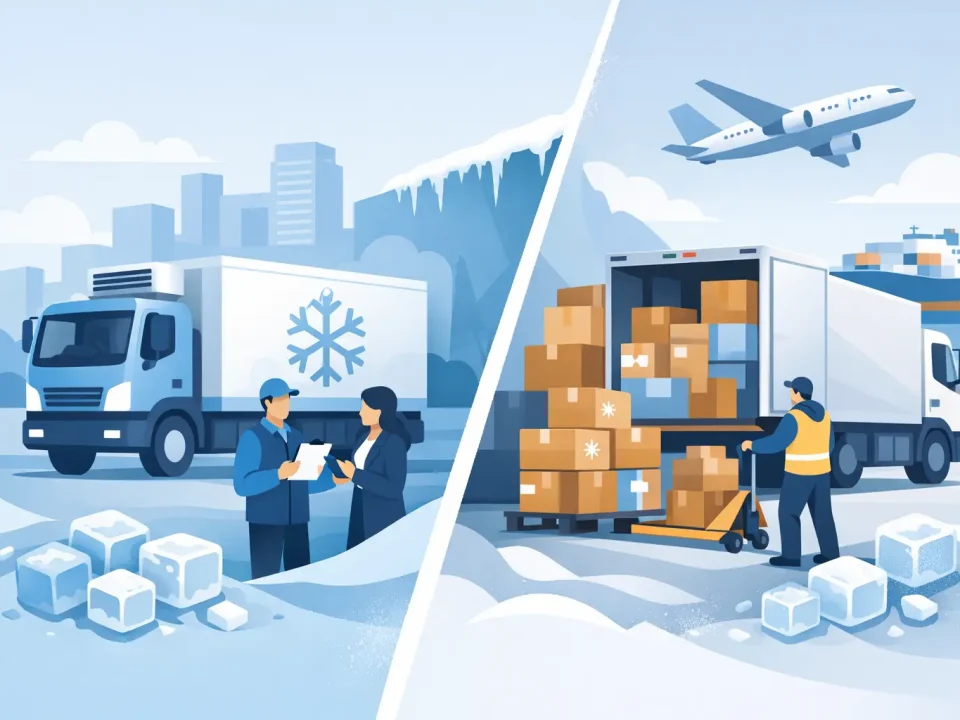
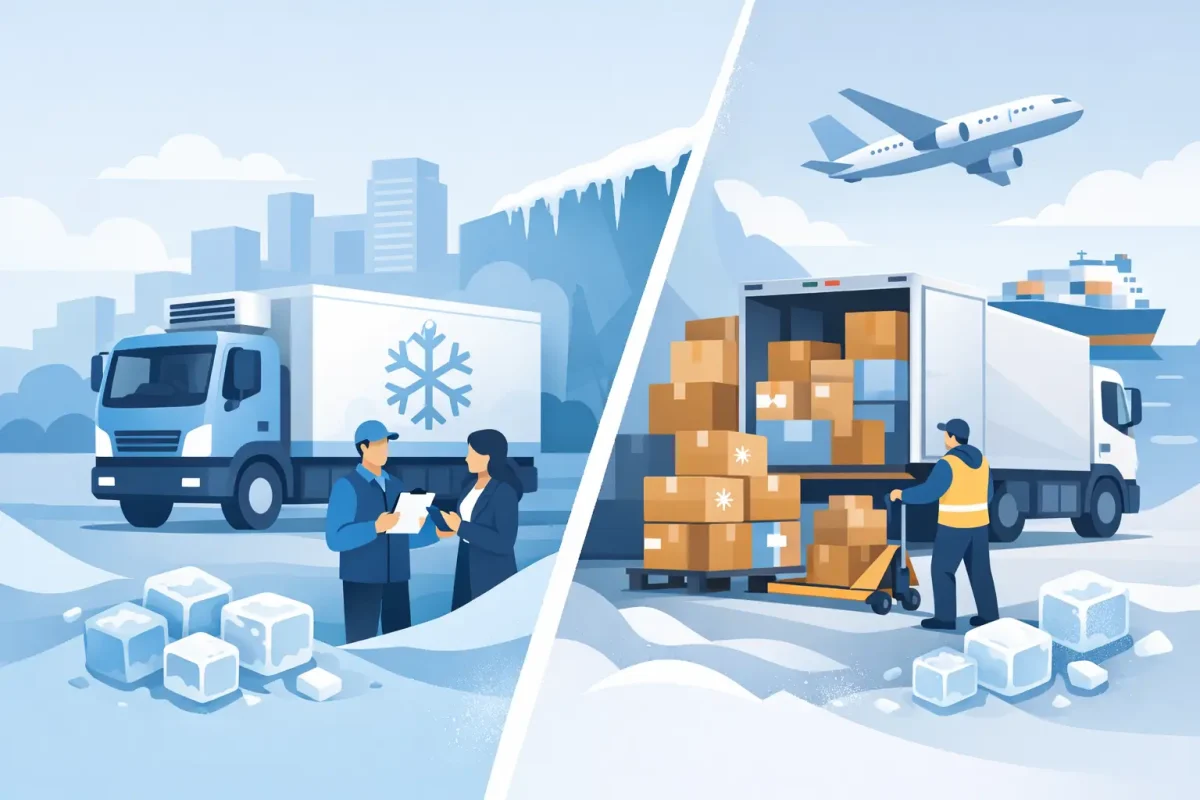
This is one reason why supply chain management is important in temperature-controlled industries. It creates process discipline around handling, vehicle selection, route planning, loading sequences, and delivery coordination. If one part breaks down, product integrity is at risk.
The same logic applies to halal goods handling and regulated products. Businesses are not only moving cartons from one place to another. They are protecting standards that customers and regulators expect them to maintain. That requires more than a truck booking. It requires an organized chain of custody, clear operational instructions, and partners who understand what can and cannot be compromised.
There is a trade-off here. Higher control can sometimes mean tighter procedures, more checks, and less flexibility in ad hoc shipping decisions. But for sensitive cargo, that trade-off is usually worth it. Recovering from product loss, rejected goods, or damaged trust is far more expensive than planning properly from the start.
Better supply chains lower costs in practical ways
Cost savings from supply chain management are often misunderstood. Many people think only about negotiating lower freight rates or buying inventory more cheaply. Those things matter, but the bigger savings usually come from fewer mistakes.
When supply chain management is handled well, businesses reduce waste, avoid emergency shipments, improve truck utilization, cut storage inefficiencies, and lower the chance of returns or spoilage. They also spend less management time chasing updates, resolving handoff issues, and fixing preventable delays.
That last point matters more than it gets credit for. Operational friction has a cost. If your procurement team, warehouse staff, transport provider, and receiving location are all working with different assumptions, someone ends up solving the problem manually. Repeated often enough, those manual fixes become expensive.
Good supply chain management removes that drag. It gives teams a clearer operating rhythm and reduces the number of urgent exceptions. Not every issue can be prevented, but fewer avoidable problems means more time spent on growth instead of damage control.
Why supply chain management is important for customer trust
Customers rarely praise a supply chain directly. They notice the result. Orders arrive as promised. Product quality is consistent. Stores stay stocked. Production lines keep running. There are fewer unpleasant surprises.
That consistency is what builds confidence. In B2B environments, trust is closely tied to execution. If a distributor cannot depend on your delivery performance, they will question the rest of the relationship too. If a retailer sees repeated stock issues, shelf space becomes harder to defend. If a manufacturer cannot count on inbound materials, production planning becomes weaker and more expensive.
Supply chain management supports customer trust because it creates reliability at scale. It helps businesses move from hoping things arrive on time to designing operations so on-time performance becomes more likely.
There is also a reputational angle. For food and temperature-sensitive goods, a delivery failure is not always invisible to the end customer. Product quality issues can affect brand perception fast. That is why logistics decisions deserve more attention in customer experience discussions than they often get.
Resilience matters when conditions change
The real test of a supply chain is not when everything goes according to plan. It is when demand shifts, routes get disrupted, inventory arrives late, or a receiving location changes requirements at short notice.
This is another clear reason why supply chain management is important. It gives businesses options when conditions change. A well-run supply chain usually includes backup plans, better forecasting, stronger supplier coordination, and more realistic transport planning. That does not remove disruption, but it improves response time.
For example, a business moving frozen goods across multiple locations may need different truck sizes depending on volume, delivery frequency, and route efficiency. A rigid setup can create waste or delays. A flexible setup gives the business room to adjust without losing control of temperature or timing.
It depends on the industry, order profile, and service level expected. Some businesses benefit from consolidated deliveries to manage cost. Others need dedicated or chartered transport because product sensitivity, delivery windows, or customer requirements leave less room for compromise. Good supply chain management is about choosing the right model for the job, not forcing every shipment into the same process.
Coordination is where many businesses win or lose
Most supply chain failures are not dramatic. They come from small coordination gaps. Pickup is confirmed but not properly staged. Inventory is ready but loaded in the wrong order. Delivery windows are assumed, not verified. Temperature requirements are known internally but not clearly passed to the transport team.
These issues sound minor until they combine. Then a routine shipment becomes a late one, or a compliant delivery becomes a rejected one.
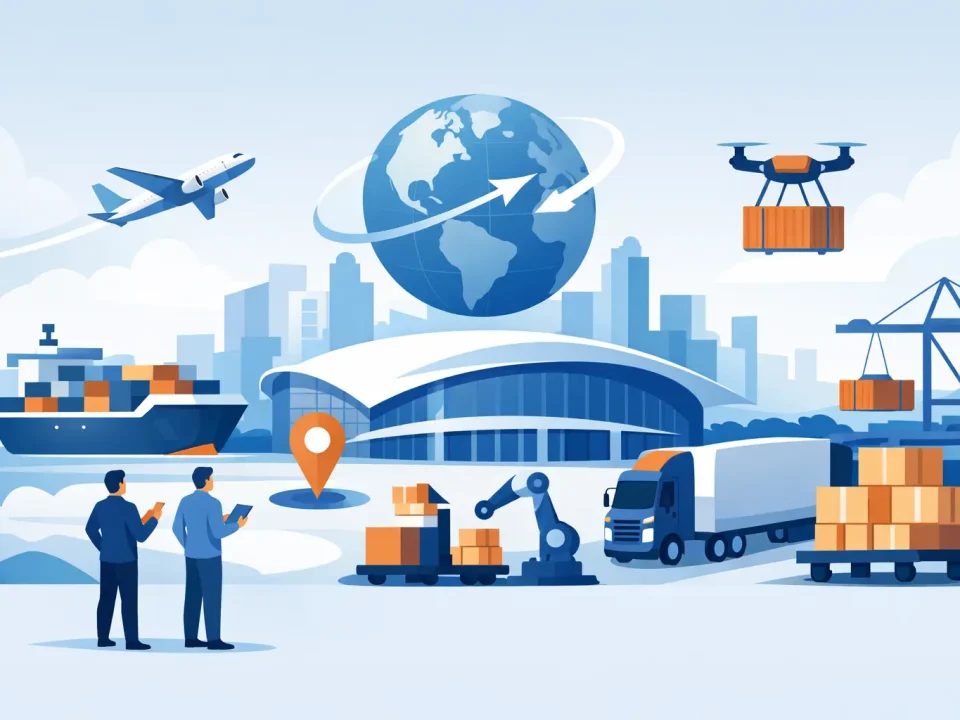
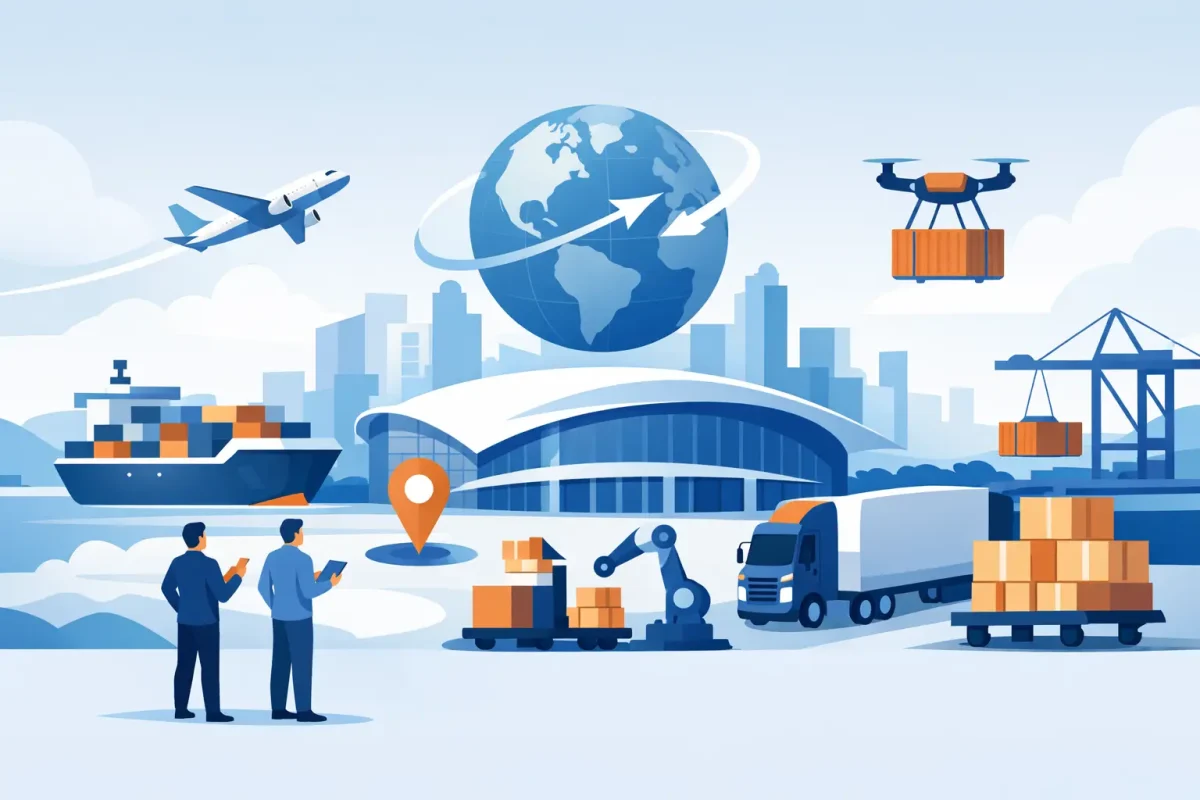
That is why execution matters as much as planning. Good supply chain management turns information into action. It connects purchasing, warehousing, dispatch, transport, and delivery teams around the same operating plan. The more sensitive the cargo, the more valuable that coordination becomes.
For businesses in cold chain logistics, this is where the right transport partner can reduce pressure significantly. A provider that understands route planning, temperature control, load suitability, and delivery timing does more than move freight. It helps protect the entire chain. That is the practical value of working with a specialist such as Abang Cold when product condition is tied directly to revenue and customer confidence.
Supply chain management supports growth, not just control
Many companies invest in supply chain improvement only after problems become obvious. That is understandable, but it is a reactive approach. Strong supply chain management should also support growth.
If your business wants to serve more customers, enter new regions, expand product lines, or increase delivery frequency, your supply chain has to keep up. Growth adds complexity. More SKUs, more destinations, stricter windows, and higher service expectations all place more stress on logistics.
Without solid supply chain management, growth can expose weaknesses quickly. Service drops, costs creep up, and internal teams lose confidence in the operating model. With the right structure in place, growth becomes easier to support because the business already has better planning, transport coordination, and product handling discipline.
That matters across ASEAN markets as well, where distance, border movements, product sensitivity, and timing can all affect delivery performance. Businesses expanding in the region need supply chains that are practical, visible, and dependable.
Supply chain management is important because it turns movement into control. It protects margins, preserves product quality, supports customer trust, and gives businesses a steadier way to operate under pressure. When the product is sensitive and the delivery matters, the value is simple: fewer surprises, fewer losses, and more confidence every time goods move.