Top Cold Storage Logistics Companies to Know
June 11, 2026
Cold Chain Logistics Certification Explained
June 13, 2026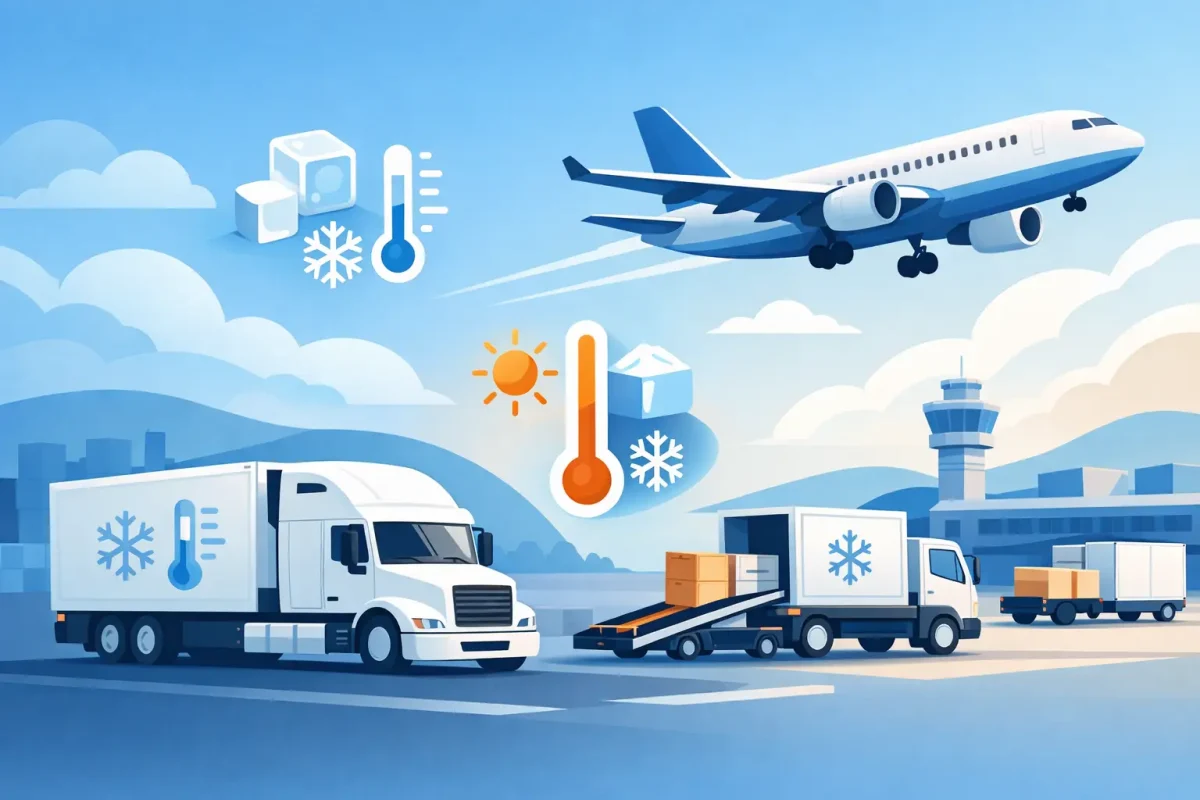
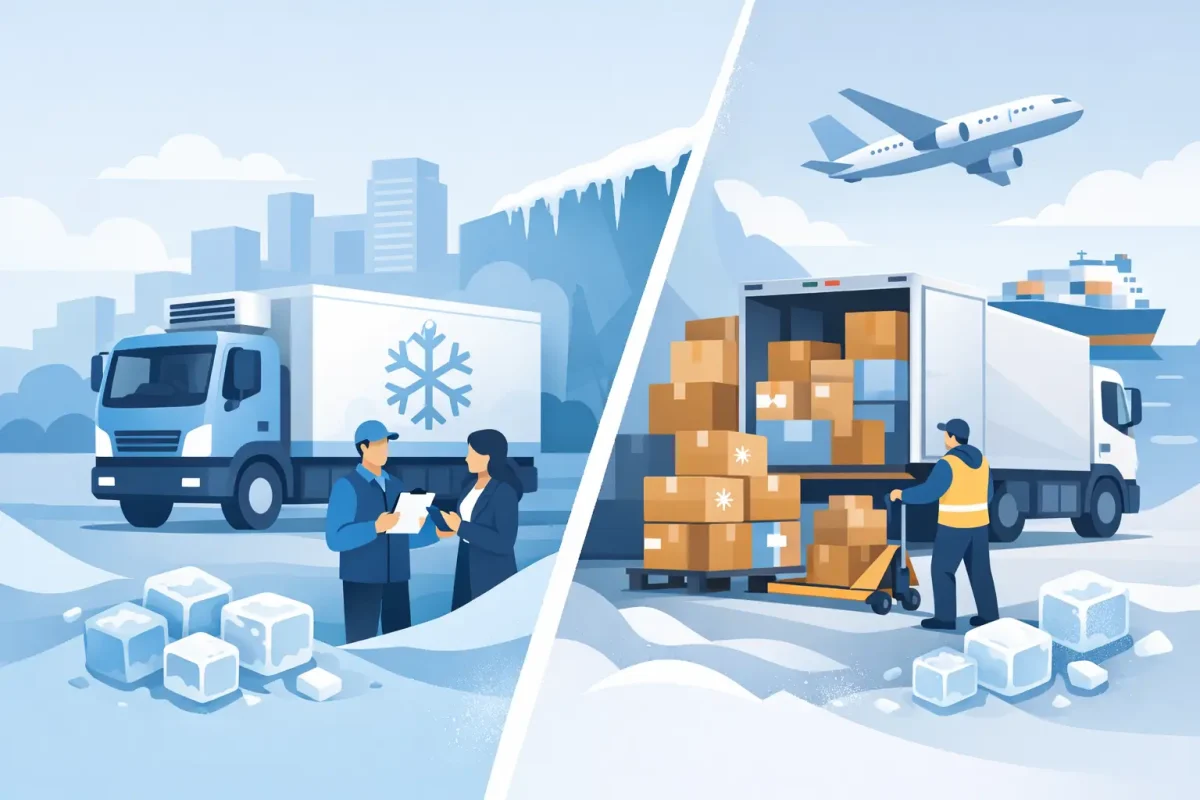
A late delivery is frustrating. A late cold chain delivery can turn into rejected stock, wasted product, and a customer complaint before the truck even leaves the dock. That is why temperature controlled transport operations by road and by air need more than a refrigerated vehicle or an airline booking. They need planning, discipline, and clear ownership from pickup to handover.
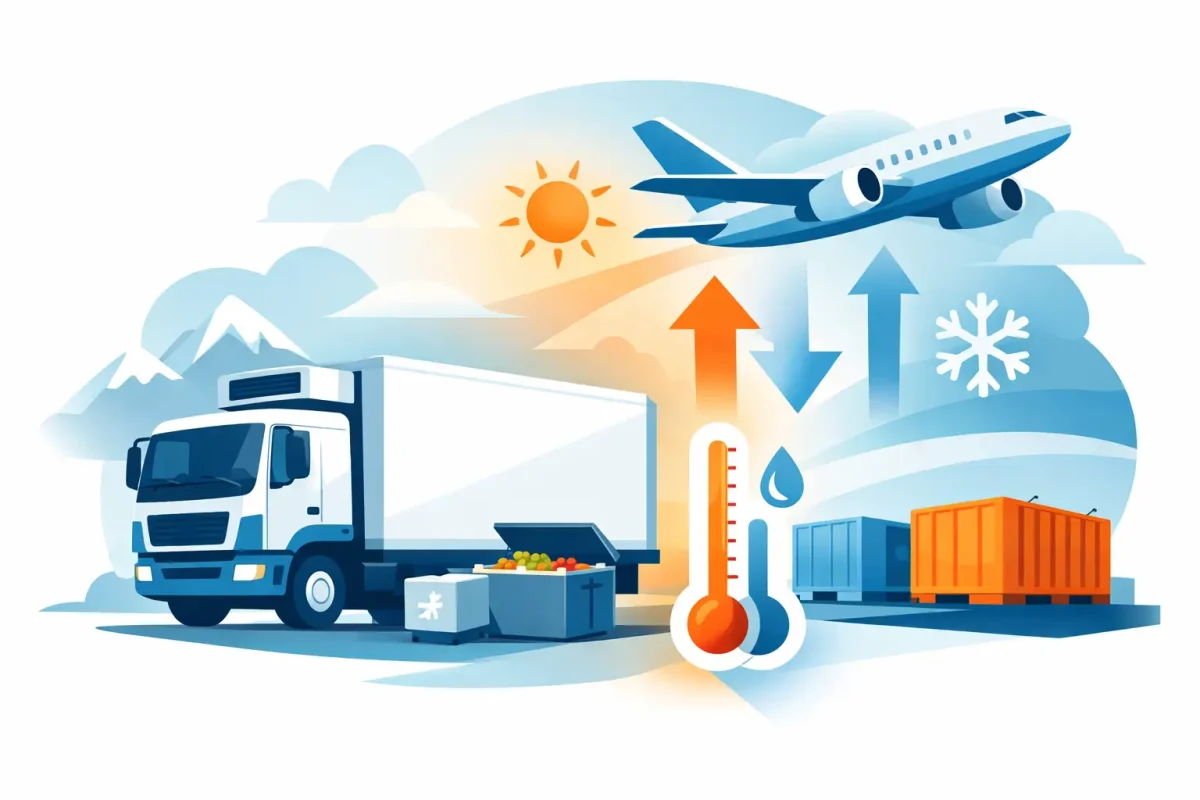
For businesses moving frozen, chilled, or regulated goods, the real question is not whether road or air is better. The real question is which mode fits the product, route, timing, and risk level. In many cases, the best answer is not one or the other. It is knowing when to use each, and how to keep temperature integrity intact throughout the journey.
What temperature controlled transport operations by road and by air really involve
Temperature-sensitive shipping is often treated as a simple equipment issue. Put the goods in a cold truck, book a flight, and send them off. In practice, that is where many problems begin.
Temperature controlled transport operations by road and by air depend on the full chain working properly. That includes pre-cooling, loading speed, packaging, route timing, cargo segregation, vehicle condition, handling at transfer points, and proof that the required temperature range was maintained. If one part slips, the shipment can still fail even when the truck or aircraft itself performed as expected.
For food distributors, halal suppliers, retailers, and manufacturers, this matters because product value is tied directly to condition on arrival. A pallet of chilled dairy, frozen seafood, or ready-to-eat goods is only useful if it reaches the customer in the correct state, within the agreed time window, and without questions about handling.
Road transport gives control, flexibility, and easier coordination
Road transport remains the practical backbone of most cold chain movement. It offers direct pickup, direct delivery, and fewer handoffs. That alone reduces risk.
When a shipment moves by refrigerated truck, there is usually greater control over timing, route changes, and delivery instructions. If a receiving window shifts, a road operation can often adjust faster than an air movement with fixed cutoffs and airport handling requirements. For businesses with recurring store deliveries, regional distribution, or interstate replenishment, that flexibility is valuable.
Road is also better suited to a wide range of shipment sizes. Some businesses need a 1-ton truck for smaller urgent loads. Others need larger vehicle capacity for wholesale or distribution runs. The ability to match truck size to load volume helps control cost without giving up temperature protection.
That said, road transport is not automatically the safer option for every shipment. Traffic delays, long border crossings, poor loading discipline, and frequent door openings can create temperature variation if operations are not tightly managed. A truck with the right set point is only part of the solution. The route plan, loading method, and delivery sequence matter just as much.
Air transport helps when time matters more than freight cost
Air freight becomes attractive when shelf life is short, delivery speed is critical, or the destination is difficult to serve quickly by road alone. High-value perishables, urgent replenishment stock, and sensitive goods with narrow delivery windows often justify the added cost.
The main advantage is transit time. Shorter travel can mean less exposure to delay, less risk of spoilage, and faster inventory recovery at the destination. For businesses trying to protect product freshness or meet a hard launch date, that speed can preserve more value than it costs.
But air transport introduces more touchpoints. Goods may move from cold storage to truck, from truck to terminal, from terminal to aircraft, and then repeat that process at destination. Every transfer creates a handling risk. The shipment may still arrive quickly, but if handover timing is poor or tarmac exposure is unmanaged, temperature excursions can happen in a short period.
This is where planning separates a reliable air move from an expensive mistake. Cutoff times, packaging performance, documentation accuracy, and local coordination all need to be right before the cargo leaves the origin point.
Choosing between road and air depends on the shipment, not preference
Some operations teams default to road because it is familiar. Others push for air whenever there is pressure from a customer. Neither approach is strong enough on its own.
The better decision starts with the product profile. Frozen goods can tolerate some handling differences better than chilled goods, depending on the product and packaging. Fresh items with short remaining shelf life may need speed more than transport savings. Goods with halal handling requirements may need tighter segregation and documented process control regardless of mode.
Distance also changes the calculation. A regional lane with stable roads and predictable timing may be ideal for truck-based delivery. A cross-border move with uncertain transit time might justify air for part of the route. Cost matters, of course, but so does the cost of failure. A cheaper shipment that arrives compromised is not cheaper at all.
Where cold chain failures usually happen
Most temperature failures do not happen because the refrigeration unit suddenly stops. They happen during ordinary moments that were not managed carefully.
Loading is a common weak point. If goods are staged too long in ambient conditions, the truck starts the trip already fighting against product temperature drift. Poor pallet arrangement can block airflow and create warm spots. Mixed loads can also create trouble when frozen, chilled, and ambient goods are packed without a proper separation plan.
Transfer points are another risk area, especially in air-linked operations. Delays in unloading, waiting time on the dock, and unclear responsibility between parties can undo otherwise good planning. Documentation mistakes can also slow cargo release, which turns a fast mode into a delayed one.
Then there is communication. If the shipper, transport provider, and receiver are not aligned on set point, product type, handling rules, and delivery timing, avoidable problems become likely. Reliable execution starts before the vehicle arrives.
What businesses should expect from a transport partner
A dependable cold chain partner should make decisions easier, not harder. That means clear booking, practical vehicle options, realistic timing, and confidence that the team understands temperature-sensitive cargo beyond the basics.
For road transport, businesses should expect suitable truck capacity, correct temperature settings, route planning, and disciplined pickup and drop-off coordination. For air-linked movements, they should expect tighter milestone management, stronger transfer control, and proactive handling around cutoff times and destination release.
Just as important, the provider should be straightforward about trade-offs. If air is faster but introduces more transfer risk, say so. If road is more cost-effective but needs earlier loading to protect the delivery window, say that too. Operational confidence comes from clarity, not from overselling.
This is also where specialized providers stand apart. A company focused on temperature-sensitive transport is more likely to understand product integrity, segregation requirements, and the pressure your team is under when stock cannot be late or compromised. That is one reason businesses across ASEAN work with providers like Abang Cold for headache-free execution on chilled, frozen, and ambient delivery jobs.
Building a stronger process around temperature controlled transport operations by road and by air
If your business ships these goods regularly, the biggest improvement often comes from process consistency. Standardize handover times. Confirm temperature requirements before dispatch. Reduce dock waiting time. Match packaging to actual transit conditions, not ideal ones. Review lanes that repeatedly run close to failure and redesign them before they become a claim issue.
It also helps to separate urgent shipments from poorly planned shipments. Not every last-minute delivery needs air freight. Sometimes the better fix is better forecasting, scheduled trucking, or consolidated movement with the right equipment. Air should solve a real timing problem, not cover a planning gap that will happen again next week.
Strong cold chain execution is rarely flashy. It looks like accurate timing, clean handoffs, correct temperatures, and products arriving exactly as expected. For operations teams and business owners, that is what matters. When the transport plan fits the cargo, road and air both have a place. The goal is not to choose the faster story. It is to choose the method that protects the shipment and keeps your business moving without extra stress.
The best transport operation is the one your customer never has to think about because everything arrived in the right condition, at the right time, with no excuses attached.